Gear Up & Ride Safe: The Ultimate Street Jacket Guide
We may receive small commissions for purchases made through affiliate links at no extra cost to you. However, this does not impact the integrity of our reviews and comparisons. Full disclosure here
Revving up the engine, feeling the wind rush past, the thrill of hitting the open road—it’s the exhilaration of motorcycle riding. But amidst this freedom, there’s a key ally every rider should have: the street motorcycle jacket. It’s not just a piece of gear; it’s your shield, your comfort, and your style statement rolled into one.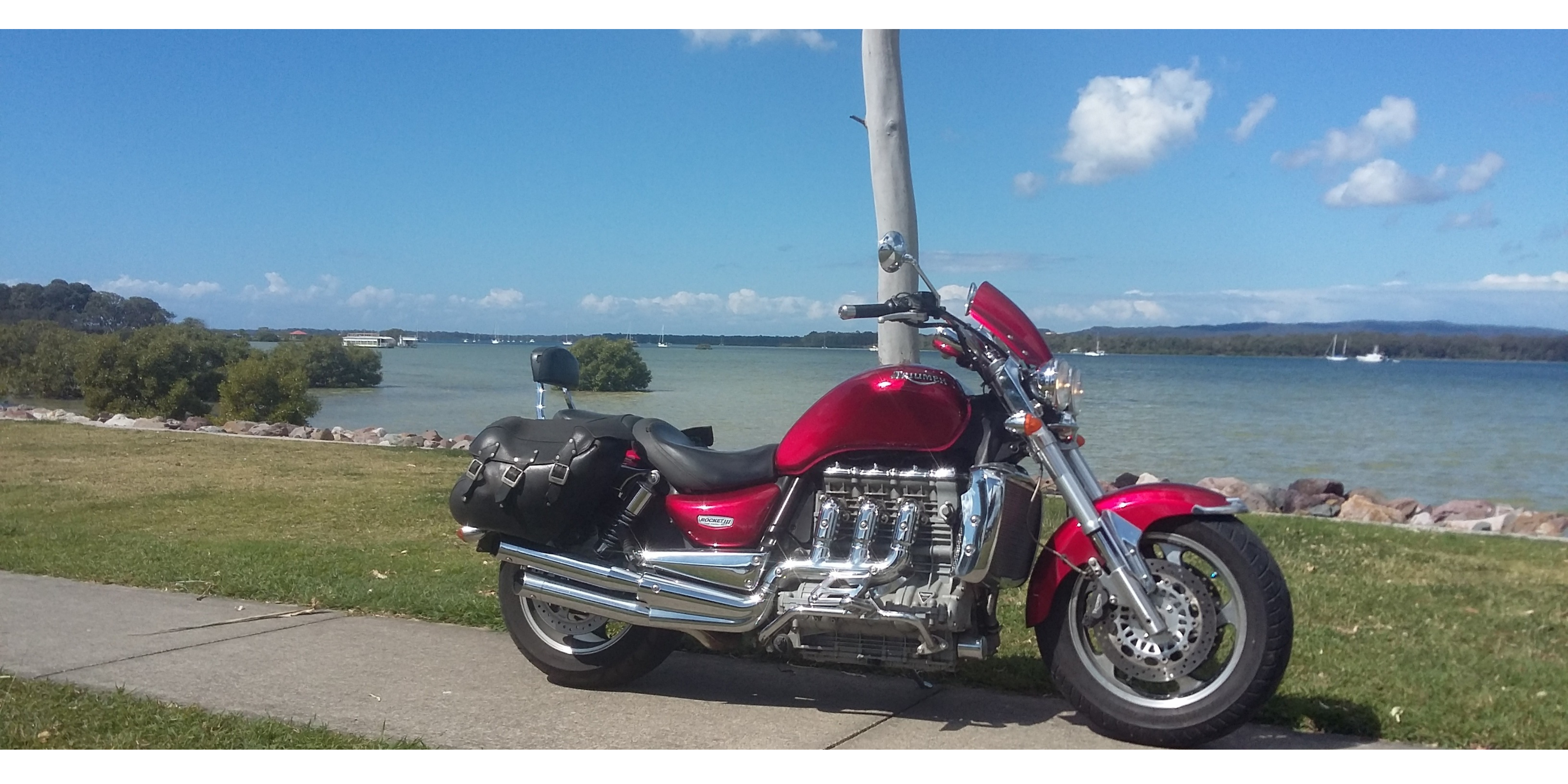
Our website contains affiliate links to products. We may receive a small commission for purchases made through these links at no extra cost to you. However, this does not impact the integrity of our reviews and comparisons. We are committed to providing our audience with unbiased and informative content. Learn more here.
Understanding Street Motorcycle Jackets
Let’s dive into what makes these jackets more than just apparel. They’re purpose-built to keep you safe while you chase that adrenaline rush. Picture this: durable materials like leather or tough textiles, fortified with armor strategically placed at key impact zones—the shoulders, elbows, and back. It’s like having a bodyguard for your upper half!
Yet, safety isn’t the only player here. These jackets are a blend of protection and comfort. Imagine riding in the scorching sun or an unexpected downpour. Ventilation systems and adaptable designs keep you cool when it’s hot and warm when it’s chilly. And hey, who says safety can’t look sleek? Stylish designs and aesthetics cater to your individual taste, complementing your riding persona.
Functionality and Purpose
You’ve heard it said: a motorcycle jacket is more than just a fashion statement. It’s your loyal companion on the asphalt journey. But what exactly makes these jackets tick?
Essential Components for Safety
1. Materials and Construction
Imagine the toughest, most resilient materials crafted into a second skin. That’s what these jackets are made of—be it the classic toughness of leather or the versatility of modern textiles. It’s not just about style; it’s about durability.
2. Protective Features: Armor and Padding
It’s like having a guardian angel on your shoulders—literally. Armor strategically placed at crucial impact points—shoulders, elbows, and back—acts as a shield against the unexpected. When safety calls, these jackets answer loud and clear.
Balancing Safety with Comfort and Style
1. Ventilation and Climate Adaptability
Picture this: the sun beating down or a sudden shift in weather. These jackets come prepared. Ventilation systems and adaptable designs ensure you stay cool when it’s blazing hot and warm when the temperature drops. Safety doesn’t mean sacrificing comfort.
2. Design and Aesthetics
Who says safety gear can’t look sleek? From classic designs to modern aesthetics, these jackets cater to your personal taste. It’s not just about staying safe; it’s about doing it in style.
Factors Influencing Jacket Selection
1. Rider’s Needs and Preferences
Are you a speed demon or a casual commuter? Different strokes for different folks. Your choice of jacket should align with your riding habits and personal preferences. It’s about finding the perfect match for your riding style.
2. Weather Considerations
Sun, rain, or snow—Mother Nature has her moods. Your choice of jacket should adapt. Some are weatherproof, others have removable liners—pick one that suits your riding environment.
As you embark on the quest for the ideal street motorcycle jacket, remember—it’s more than just finding a piece of gear. It’s about finding your trusty partner, ensuring safety without compromising comfort or style. So, gear up, stay safe, and let the road unveil its adventures!
Exploring Key Features
So, what exactly goes into these jackets? Leather or textile—each has its own charm and practicality. Think classic toughness or versatile functionality. Then there’s the armor—protective inserts that absorb impact energy—critical in keeping you safe during a slide or spill.
What about functionality? Well, these jackets are like Swiss army knives. Some come with waterproofing to tackle rain, while others have adjustable cuffs or a multitude of pockets for your essentials—phone, keys, or that small snack for a pit stop.
A. Material Selection: Leather vs. Textile
1. Pros and Cons of Each Material
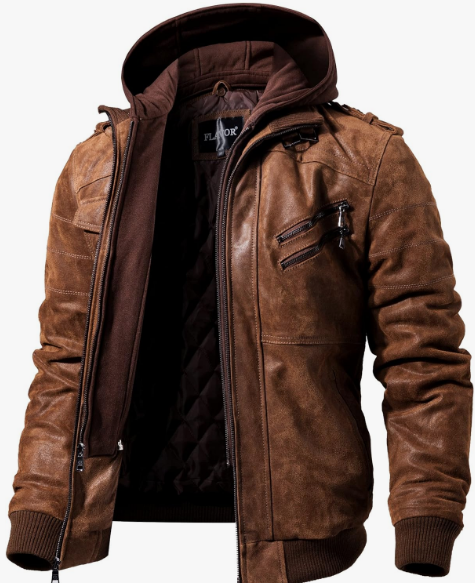
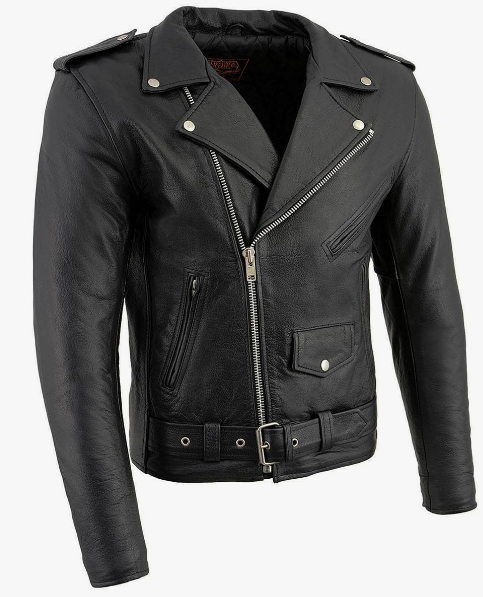
Leather: Pros:
- Classic Toughness: It’s the OG of motorcycle jacket materials, providing excellent abrasion resistance.
- Durability: With proper care, leather jackets can last a long time, molding to your body for a personalized fit.
- Style Icon: It exudes timeless coolness and offers a classic look.
Cons:
- Weather Sensitivity: Not as adaptable to varying weather conditions, especially when wet.
- Maintenance: Requires specialized cleaning and conditioning to maintain its quality.
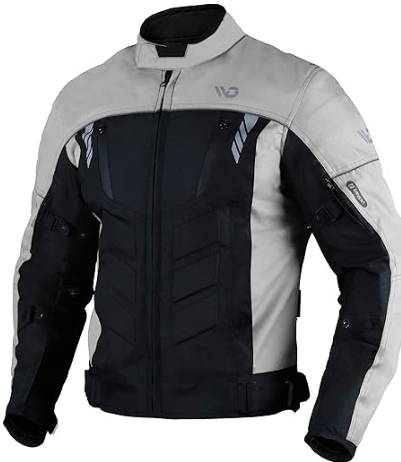
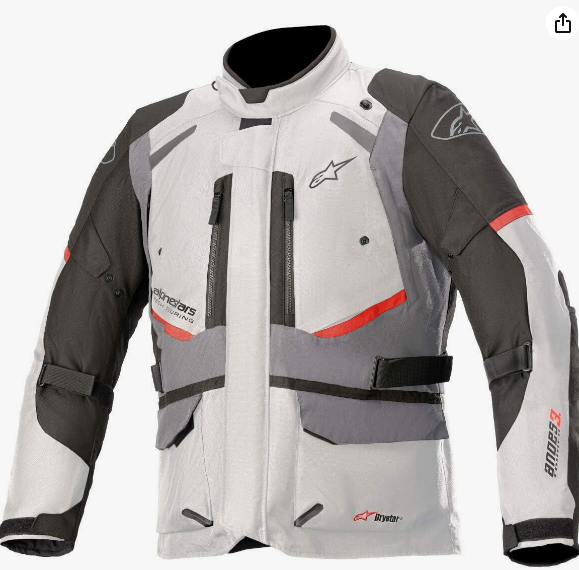
Textile: Pros:
- Versatility: Offers a variety of blends for different riding conditions, some being water-resistant or waterproof.
- Adaptability: Better in varying climates due to enhanced breathability and moisture-wicking properties.
- Ease of Care: Typically easier to clean and maintain than leather.
Cons:
- Abrasion Resistance: May not match the durability of leather in severe crashes.
- Aesthetic Preference: Some riders prefer the classic look of leather over textile.
B. Protective Elements: Armor and Padding
1. Impact Zones and their Significance
Imagine a superhero suit with strategic reinforcements. Motorcycle jackets feature armor in key impact zones—shoulders, elbows, and back. These zones bear the brunt during a crash, hence the need for protective padding to minimize injury.
2. Types of Armor and their Effectiveness
- Hard Armor: Typically made of materials like hard plastic or carbon fiber. Offers higher impact protection but may compromise comfort.
- Soft Armor: Made from materials like memory foam or gel. Provides flexibility and comfort while still offering decent protection.
C. Additional Functionalities
1. Weather Resistance and Adaptability
Picture this: unexpected rain showers or sweltering heat. Some jackets come equipped with weatherproofing or have removable liners, adapting to diverse weather conditions.
2. Comfort Features: Ventilation, Adjustability, and Pockets
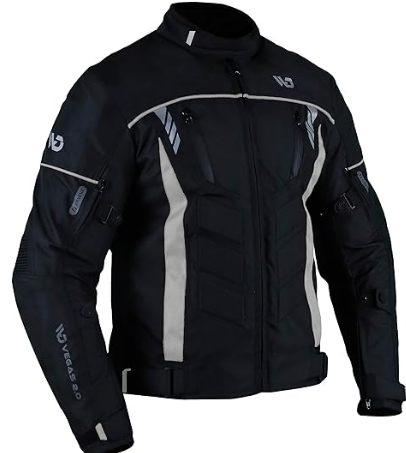
Think of these jackets as Swiss army knives of comfort. Ventilation systems ensure airflow, keeping you cool on hot rides. Adjustable cuffs and waistbands offer a personalized fit, while multiple pockets provide convenient storage for your essentials.
The choice between leather and textile, understanding protective elements, and embracing additional functionalities boil down to personal preference and your riding environment. Ultimately, it’s about finding the balance between safety, comfort, and functionality as you hit the road!
Choosing the Right Jacket
Finding the one that suits you best involves more than just picking a design off the rack. Safety standards, personal preferences, and your riding environment—all play a role. After all, it’s not just about the jacket; it’s about your safety and comfort.
And the fit? It’s like finding the perfect dance partner! Ensuring it fits snugly without being restrictive is crucial. You want it to move with you, not against you, during those high-speed maneuvers.
Evaluating Safety Standards and Certifications
When choosing a street motorcycle jacket, safety standards and certifications are paramount. Look for jackets certified by organizations like CE (Conformité Européenne), which ensure the product meets specific safety standards. These certifications often indicate the level of protection the jacket provides.
Considering Personal Riding Style and Environment
Your riding style and environment play a crucial role in selecting the right jacket. Are you a weekend cruiser or an everyday commuter? The type of riding you do affects the features you need. Consider jackets with weatherproofing for rainy climates or those with enhanced ventilation for hot regions.
Importance of Proper Fit and Sizing
Ah, the fit! It’s not just about aesthetics; it’s a safety concern. A well-fitted jacket should feel snug but not constricting. Properly sized jackets allow for freedom of movement while ensuring armor stays in place during an impact. Remember, different brands might have varied sizing, so try before you buy!
Budget Considerations and Longevity
Budget plays a role, but it’s an investment in your safety and comfort. Quality jackets might have a higher upfront cost but often provide better protection and durability, potentially saving money in the long run. Consider the value—how long the jacket will last and the level of protection it offers.
When choosing your street motorcycle jacket, it’s about finding the right balance between safety certifications, personal preferences, fit, and budget. Prioritize safety without compromising on comfort and style to ensure a smooth and secure ride every time you hit the road!
Maintenance and Care
Once you’ve found your trusty sidekick, it’s essential to take care of it. Regular cleaning, proper storage, and inspecting for wear and tear are vital. Remember, it’s an investment in your safety and comfort.
Cleaning and Maintenance Tips
Maintaining your street motorcycle jacket ensures it remains a reliable shield. Here are some cleaning and maintenance tips:
- Regular Cleaning: Use a soft cloth or a brush to remove dirt and debris. For leather jackets, use a leather cleaner and conditioner as recommended. Textile jackets can usually be cleaned with mild soap and water, following manufacturer instructions.
- Avoid Harsh Chemicals: Refrain from using harsh chemicals or detergents that could damage the materials. Stick to products specifically designed for motorcycle gear.
- Drying: Hang your jacket in a well-ventilated area to air dry. Avoid direct sunlight or heat sources that might degrade the materials.
Storage Practices for Longevity
Proper storage is key to maintaining the integrity of your jacket:
- Hang or Store Flat: Hang your jacket on a sturdy hanger to maintain its shape. If hanging isn’t feasible, store it flat in a clean, dry place to avoid creasing or deformation.
- Avoid Moisture: Keep your jacket away from damp or humid areas. Moisture can lead to mold or mildew growth, damaging the fabric or leather.
- Ventilation: Allow for ventilation to prevent any lingering odors or trapped moisture. Consider using breathable storage bags if storing for an extended period.
Inspecting and Replacing Damaged Parts
Regular inspections help identify any potential issues or wear:
- Check Seams and Zippers: Inspect seams, zippers, and stitching for any signs of wear or damage. Repair or replace damaged parts promptly to maintain structural integrity.
- Inspect Armor and Padding: Ensure that armor and padding are intact and positioned correctly. Damaged or displaced armor should be replaced or adjusted as necessary for continued protection.
- Seek Professional Assistance: If you’re uncertain or notice significant damage, consider consulting a professional motorcycle gear technician or the manufacturer for guidance on repair or replacement options.
By adhering to these maintenance practices and conducting regular inspections, you’ll prolong the life of your street motorcycle jacket, ensuring it remains a reliable and protective gear for your rides.
Conclusion
Street motorcycle jackets aren’t just attire; they’re a rider’s companion on the journey. They’re safety, comfort, and style bundled together. So, whether you’re a speed enthusiast, a daily commuter, or an occasional rider, finding the right jacket is key to a fulfilling riding experience. Stay safe, stay stylish, and let the road be your canvas!

Free Reports and more.........
- From Track Days to MotoGP: The Exciting World of Motorcycle Racing
- The Future of Two Wheels? Exploring the Rise of Electric Motorcycles
- Finding Your Perfect Ride: A Guide to Buying a Used Motorcycle
- Pushing the Limits: The Dangers and Risks of the Isle of Man TT
- The Ultimate Challenge: Conquering the Isle of Man TT
- More Than Just a Race: The Unforgettable Isle of Man TT Fan Experience
- Planning Your Dream Motorcycle Touring Trip
- Inside the Paddock: A Look at the Teams and Riders of the Isle of Man TT
- Motorcycle Windproof Face Mask: Protect Your Face in Style
- Warm Motorcycle Base Layers for Riders Year-Round Comfort
- Insulated Motorcycle Boots for Riding in Cold Weather
- Winter Motorcycle Pants – Stay Warm and Protected
- Heated Motorcycle Clothing: Stay Warm on the Road
- Best Snowmobile Suits for Sale | Top Brands & Styles
- Motorcycle Gear for Cold Weather – Stay Warm and Safe
- Cold Weather Motorcycle Jacket – Stay Warm on the Road
- Cozy & Protective Thermal Motorcycle Gear for All Seasons
- Winter Motorcycle Riding Gear | Top Choices for Cold Weather
- Best Heated Motorcycle Gloves: Stay Warm on the Road
- From Biker Gangs to Bad Boys: Iconic Motorcycles in Film and Television
Free Reports and more.........
- From Track Days to MotoGP: The Exciting World of Motorcycle Racing
- The Future of Two Wheels? Exploring the Rise of Electric Motorcycles
- Finding Your Perfect Ride: A Guide to Buying a Used Motorcycle
- Pushing the Limits: The Dangers and Risks of the Isle of Man TT
- The Ultimate Challenge: Conquering the Isle of Man TT
- More Than Just a Race: The Unforgettable Isle of Man TT Fan Experience
- Planning Your Dream Motorcycle Touring Trip
- Inside the Paddock: A Look at the Teams and Riders of the Isle of Man TT
- Motorcycle Windproof Face Mask: Protect Your Face in Style
- Warm Motorcycle Base Layers for Riders Year-Round Comfort
- Insulated Motorcycle Boots for Riding in Cold Weather
- Winter Motorcycle Pants – Stay Warm and Protected
- Heated Motorcycle Clothing: Stay Warm on the Road
- Best Snowmobile Suits for Sale | Top Brands & Styles
- Motorcycle Gear for Cold Weather – Stay Warm and Safe
- Cold Weather Motorcycle Jacket – Stay Warm on the Road
- Cozy & Protective Thermal Motorcycle Gear for All Seasons
- Winter Motorcycle Riding Gear | Top Choices for Cold Weather
- Best Heated Motorcycle Gloves: Stay Warm on the Road
- From Biker Gangs to Bad Boys: Iconic Motorcycles in Film and Television
Leave a Reply