Your Ultimate Guide to Finding the Perfect Motorcycle Match
We may receive small commissions for purchases made through affiliate links at no extra cost to you. However, this does not impact the integrity of our reviews and comparisons. Full disclosure here
Revving engines, wind in your face, the open road—there’s something undeniably thrilling about riding a motorcycle. Whether you’re a seasoned rider or just about to hop onto your first bike, choosing the right motorcycle is crucial for a fantastic riding experience. But fear not! This comprehensive guide is here to help you navigate the exciting world of motorcycles and find the perfect ride that suits you like a glove.

Our website contains affiliate links to products. We may receive a small commission for purchases made through these links at no extra cost to you. However, this does not impact the integrity of our reviews and comparisons. We are committed to providing our audience with unbiased and informative content. Learn more here.
Understanding Your Needs and Preferences
Before you dive headfirst into the motorcycle market, take a moment to ponder your riding purpose. Are you commuting daily, planning long road trips, or seeking off-road adventures? Knowing your intended use is the compass guiding your choice. Also, consider your experience level and comfort preferences. Feeling at ease on your bike is key to enjoying the ride.
A. Identifying Riding Purpose
Picture yourself on the open road—what comes to mind? Are you commuting through city streets, cruising along coastal highways, or tackling off-road trails? Identifying your riding purpose is the first step in finding a motorcycle that matches your adventures. Whether it’s daily commuting, long-distance touring, or seeking off-road escapades, knowing how you’ll primarily use your bike helps narrow down your options.
B. Assessing Skill Level and Experience
Are you a beginner eager to feel the wind in your face for the first time, or an experienced rider looking for a new thrill? Your skill level and experience significantly influence the kind of motorcycle that suits you best. Novices might prefer bikes with manageable power and easy handling, while seasoned riders may crave more power and specialized features. Assessing your skill level helps find a bike that matches your expertise, ensuring a safe and enjoyable ride.
C. Consider Comfort and Ergonomics
Imagine spending hours on your motorcycle—how comfortable would you want it to be? Consider ergonomics: the seat height, handlebar reach, footpeg position, and overall riding posture. Comfort plays a crucial role, especially on long rides. A bike that fits you well ensures less fatigue and more enjoyment on your journeys. Take note of how the bike feels while sitting on it and imagine yourself riding for extended periods to gauge its comfort level.
Identifying your riding purpose, assessing your skill level, and considering comfort and ergonomics are foundational steps in choosing a motorcycle tailored to your needs and preferences. By understanding these aspects, you’ll be well on your way to finding the perfect ride for your adventures!
Exploring Types and Models
Motorcycles come in various flavors, each designed for specific purposes. From the relaxed cruising style to the adrenaline-pumping sport bikes or the adventure-ready off-roaders, there’s a bike for every rider out there. Explore these types and match them to your lifestyle and needs.
A. Different Types of Motorcycles
- Cruisers: These bikes exude a relaxed, laid-back style with low seat heights, V-twin engines, and classic designs. Ideal for casual cruising and shorter trips.
- Sport Bikes:
 Known for their speed and agility, sport bikes feature powerful engines, aggressive riding positions, and nimble handling. They’re designed for high performance and are commonly used for track racing or spirited riding on paved roads.
 - Touring Bikes: Built for long-haul journeys, touring bikes prioritize comfort and convenience. They boast spacious seats, luggage compartments, windshields, and enhanced riding comfort features for extended rides.
- Adventure Bikes: Versatile and rugged, adventure bikes are designed for both on-road and off-road adventures. They typically feature robust suspensions, larger fuel tanks, and ergonomic designs suitable for various terrains and longer trips.
- Off-Road and Dual-Sport Bikes: These bikes are tailor-made for off-road escapades, offering lightweight frames, knobby tires, and higher ground clearance. Dual-sport models blend off-road capabilities with street legality, allowing riders to transition between on and off-road riding.
B. Matching Models to Purpose and Lifestyle
Choosing the right type of motorcycle involves aligning the model with your intended use and lifestyle. Consider factors such as:
- Daily Use: For everyday commuting or short rides, cruisers or standard bikes might be more suitable due to their comfort and ease of handling in urban settings.
- Long-Distance Touring: Opt for touring or adventure bikes if you plan on embarking on extended journeys. These bikes offer comfort features and storage space to accommodate long rides.
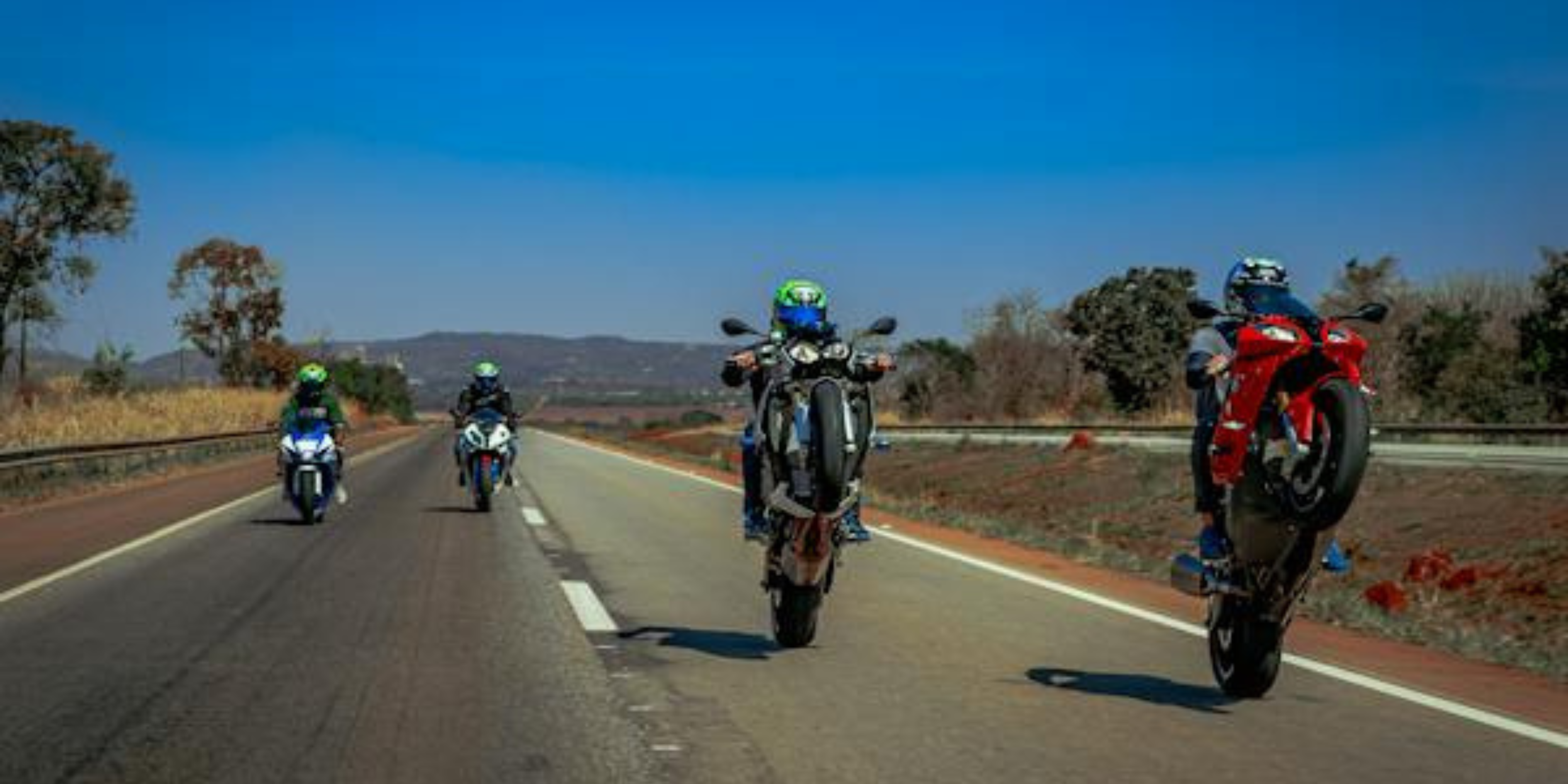
- Speed and Performance: Sport bikes cater to those seeking exhilarating speed and sharp handling, ideal for spirited rides or track days.
- Off-Road Adventures: Dual-sport or dedicated off-road bikes are perfect for riders who crave adventure beyond paved roads, offering the necessary ruggedness and agility for various terrains.
- Personal Preferences: Consider your riding style, comfort requirements, and the kind of experiences you envision while on your motorcycle. Matching a bike to your lifestyle ensures a more fulfilling riding experience.
By understanding the distinct characteristics of each motorcycle type and aligning them with your purpose and lifestyle, you can make an informed choice that complements your riding aspirations and preferences.
Key Factors to Consider
Now, let’s dive into the nitty-gritty! Engine size, weight, maintenance costs, and safety features—all these factors play a crucial role. A bike’s performance, handling, and maintenance requirements directly impact your riding experience and overall satisfaction. Paying attention to these details can save you headaches down the road.
A. Engine Size and Performance
Engine size significantly influences a motorcycle’s power and performance. Consider the engine’s displacement, measured in cubic centimeters (cc) or liters. Larger engines generally offer more power but might not be suitable for beginners. Assess your needs; a smaller engine might suffice for city commuting, while a larger one might be preferable for highway cruising or off-road adventures. Balance the desire for power with your skill level and intended use.
B. Weight and Handling
The weight of a motorcycle affects its maneuverability and ease of handling. Heavier bikes might be stable on highways but could be challenging in tight spaces or at lower speeds. Lighter bikes are more agile and maneuverable, especially in urban settings or off-road terrain. Consider your comfort level in handling different weights and how it aligns with your riding environment.
C. Maintenance Costs and Reliability
Every bike comes with maintenance needs and associated costs. Research and gather information on a bike’s maintenance schedule, required service intervals, and the availability of parts. Reliable motorcycles with good track records tend to have lower maintenance costs over time. Consider user reviews and expert opinions regarding a bike’s reliability to ensure fewer unexpected repair costs.
D. Fuel Efficiency and Range
Efficiency matters, especially if you plan on covering long distances. Consider a bike’s fuel consumption and its tank capacity to gauge its range. While some bikes may have impressive power, they might compromise on fuel efficiency. Evaluate the balance between power and fuel consumption based on your riding habits and the distances you plan to cover.
E. Safety Features and Technology
Safety should always be a priority. Look for motorcycles equipped with advanced safety features such as anti-lock braking systems (ABS), traction control, and stability control. These technologies enhance your riding experience by providing added safety on different road conditions. Consider additional features like LED lighting, advanced braking systems, or rider-assist modes available in modern bikes for enhanced safety.
Assessing engine size and performance, weight and handling, maintenance costs and reliability, fuel efficiency and range, along with safety features and technology, ensures a comprehensive evaluation when choosing a motorcycle. Balancing these factors according to your preferences and requirements leads to a more satisfying and safe riding experience.
Budgeting and Cost Considerations
Riding isn’t just about the bike itself; it involves budgeting for insurance, registration, maintenance, and protective gear. Being financially prepared ensures a smoother journey ahead.
A. Initial Purchase Costs
When purchasing a motorcycle, the initial cost involves more than just the price tag of the bike itself. Consider additional expenses like dealer fees, taxes, and potential add-ons (such as extended warranties or customization options). Determine a budget that encompasses these costs while keeping in mind your financial comfort zone.
B. Insurance and Registration
Insurance is a mandatory aspect of motorcycle ownership in most places. The cost of insurance can vary widely based on factors like the type of bike, your riding experience, and where you live. Research insurance options and get quotes for different models to estimate ongoing insurance expenses. Additionally, factor in registration fees and any local taxes or licensing requirements.
C. Ongoing Maintenance and Repairs
Regular maintenance is key to keeping your motorcycle running smoothly. Account for periodic servicing costs, such as oil changes, tire replacements, brake inspections, and general upkeep. Some bikes might have higher maintenance costs due to specialized parts or complex systems, so consider these factors when budgeting for ongoing expenses.
D. Additional Gear and Accessories
Investing in proper riding gear is essential for safety and comfort. Helmets, jackets, gloves, boots, and riding pants are crucial items that ensure your protection on the road. Budget for high-quality gear that meets safety standards and suits your riding style. Additionally, consider accessories like saddlebags, GPS systems, or upgraded parts that enhance your riding experience.
Budgeting for the initial purchase costs, insurance and registration fees, ongoing maintenance and repairs, as well as necessary gear and accessories, is crucial for responsible motorcycle ownership. Ensuring that you allocate funds for both the bike and the associated expenses helps in managing your finances and enjoying a fulfilling riding experience.
Test Ride and Evaluation
It’s time to get hands-on! Test riding different models is like trying on shoes—you’ll know when one fits just right. Pay attention to comfort, handling, and how the bike responds to your touch.
A. Importance of Test Riding
Test riding a motorcycle is akin to trying on shoes before buying them. It allows you to experience firsthand how the bike feels, handles, and responds to your inputs. Test riding provides valuable insights into the ergonomics, comfort, and overall compatibility with your riding style. It’s an opportunity to ensure that the bike you’re considering aligns with your expectations and preferences.
B. Assessing Comfort and Fit
Comfort is paramount during extended rides. When test riding, pay attention to how the bike fits you. Check if the seat height is comfortable, the handlebars are within reach without straining, and the footpeg positioning feels natural. Consider whether the riding posture suits your body type and allows for a relaxed riding experience. Assessing these aspects ensures that the motorcycle doesn’t cause discomfort or fatigue over time.
C. Evaluating Handling and Performance
During the test ride, gauge the bike’s handling and performance characteristics. Test its maneuverability in different situations—turning, braking, and acceleration. Feel how the bike responds to your inputs, assess its stability on various road surfaces, and determine if it meets your expectations regarding speed and agility. Evaluating these aspects gives you a sense of confidence and control while riding.
Additionally, consider factors like suspension comfort, braking responsiveness, and how the bike handles at different speeds and cornering angles. Testing these elements ensures that the motorcycle meets your performance expectations and suits your riding style.
Overall, the importance of test riding lies in the opportunity it provides to personally experience the bike’s comfort, fit, handling, and performance. It allows you to make a well-informed decision based on your direct experience rather than relying solely on specifications or recommendations.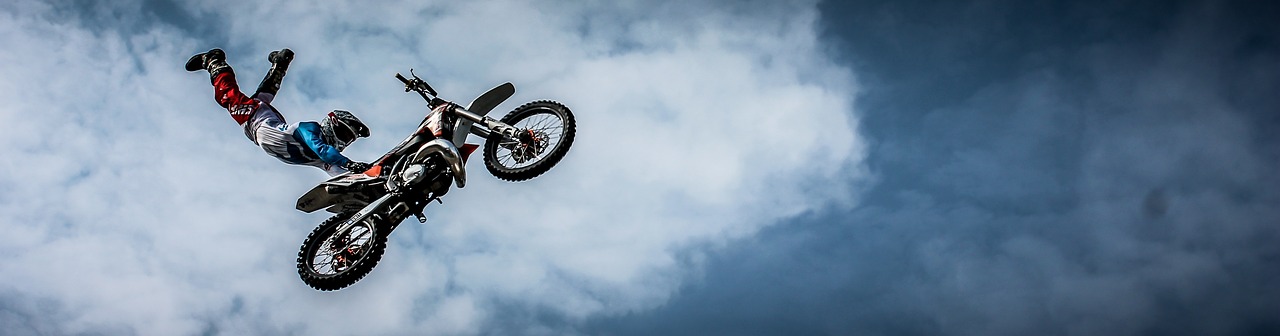
Making the Informed Decision
After all the exploration, evaluations, and research, it’s decision time! Consider long-term goals, weigh the pros and cons, and listen to your gut feeling—it’s your ultimate guide.
Considering Long-Term Goals
When choosing a motorcycle, consider your long-term aspirations and how they align with your choice. Are you looking for a bike that will grow with you as you gain riding experience? Do you plan to use it primarily for commuting or for adventurous long-distance trips? Thinking about your future riding goals ensures that the motorcycle you select remains suitable and fulfilling for the long haul.
Weighing Pros and Cons
List down the pros and cons of each motorcycle you’re considering. Reflect on the features you liked during test rides, the maintenance costs, reliability, resale value, and how well each bike matches your needs and preferences. Weighing these aspects against each other helps in making a more informed decision. Consider factors like performance, comfort, cost, and overall suitability to narrow down your choices.
Finalizing Your Choice
Once you’ve weighed the various aspects and considered your long-term goals, it’s time to make the final decision. Take into account all the information gathered—your riding purpose, comfort preferences, handling, performance, maintenance costs, and more. Choose the motorcycle that ticks the most boxes and aligns closest with your priorities and future aspirations.
Remember, it’s essential to trust your instincts and choose the bike that resonates with you the most. Each person’s preferences and needs are unique, so the perfect choice ultimately depends on what feels right for you. Finalizing your decision marks the exciting beginning of your motorcycle journey—one that matches your aspirations and sets the stage for countless memorable rides ahead.
In conclusion, choosing a motorcycle is an exhilarating experience that involves a blend of personal preference, practical considerations, and a touch of excitement. This friendly guide aims to equip you with the tools and insights needed to make an informed decision. Happy riding!


Free Reports and more.........
- From Track Days to MotoGP: The Exciting World of Motorcycle Racing
- The Future of Two Wheels? Exploring the Rise of Electric Motorcycles
- Finding Your Perfect Ride: A Guide to Buying a Used Motorcycle
- Pushing the Limits: The Dangers and Risks of the Isle of Man TT
- The Ultimate Challenge: Conquering the Isle of Man TT
- More Than Just a Race: The Unforgettable Isle of Man TT Fan Experience
- Planning Your Dream Motorcycle Touring Trip
- Inside the Paddock: A Look at the Teams and Riders of the Isle of Man TT
- Motorcycle Windproof Face Mask: Protect Your Face in Style
- Warm Motorcycle Base Layers for Riders Year-Round Comfort
- Insulated Motorcycle Boots for Riding in Cold Weather
- Winter Motorcycle Pants – Stay Warm and Protected
- Heated Motorcycle Clothing: Stay Warm on the Road
- Best Snowmobile Suits for Sale | Top Brands & Styles
- Motorcycle Gear for Cold Weather – Stay Warm and Safe
- Cold Weather Motorcycle Jacket – Stay Warm on the Road
- Cozy & Protective Thermal Motorcycle Gear for All Seasons
- Winter Motorcycle Riding Gear | Top Choices for Cold Weather
- Best Heated Motorcycle Gloves: Stay Warm on the Road
- From Biker Gangs to Bad Boys: Iconic Motorcycles in Film and Television
Free Reports and more.........
- From Track Days to MotoGP: The Exciting World of Motorcycle Racing
- The Future of Two Wheels? Exploring the Rise of Electric Motorcycles
- Finding Your Perfect Ride: A Guide to Buying a Used Motorcycle
- Pushing the Limits: The Dangers and Risks of the Isle of Man TT
- The Ultimate Challenge: Conquering the Isle of Man TT
- More Than Just a Race: The Unforgettable Isle of Man TT Fan Experience
- Planning Your Dream Motorcycle Touring Trip
- Inside the Paddock: A Look at the Teams and Riders of the Isle of Man TT
- Motorcycle Windproof Face Mask: Protect Your Face in Style
- Warm Motorcycle Base Layers for Riders Year-Round Comfort
- Insulated Motorcycle Boots for Riding in Cold Weather
- Winter Motorcycle Pants – Stay Warm and Protected
- Heated Motorcycle Clothing: Stay Warm on the Road
- Best Snowmobile Suits for Sale | Top Brands & Styles
- Motorcycle Gear for Cold Weather – Stay Warm and Safe
- Cold Weather Motorcycle Jacket – Stay Warm on the Road
- Cozy & Protective Thermal Motorcycle Gear for All Seasons
- Winter Motorcycle Riding Gear | Top Choices for Cold Weather
- Best Heated Motorcycle Gloves: Stay Warm on the Road
- From Biker Gangs to Bad Boys: Iconic Motorcycles in Film and Television
Leave a Reply