How do I corner safely on a motorcycle
We may receive small commissions for purchases made through affiliate links at no extra cost to you. However, this does not impact the integrity of our reviews and comparisons. Full disclosure here
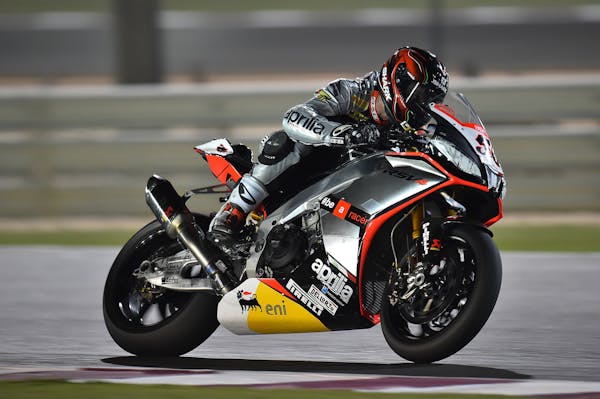
Did you know that mastering motorcycle cornering techniques can significantly reduce the risk of accidents and enhance the thrill of your rides? Whether you’re a novice rider or have years of experience, understanding the fundamentals of safe cornering is essential for every motorcyclist.
In this article, we will guide you through the techniques and skills you need to corner safely on your motorcycle. From mastering body positioning to polishing advanced cornering techniques, we’ll provide you with valuable insights to help you navigate corners efficiently and with confidence.
Key Takeaways:
- Mastering motorcycle cornering techniques enhances your riding experience and reduces the risk of accidents.
- Understanding the basics of motorcycle cornering is crucial for all riders.
- Proper body positioning contributes to optimal control and stability while cornering.
- Polishing your cornering technique involves understanding lean angles and utilizing braking techniques.
- Practicing cornering on different road conditions improves adaptability and overall cornering skills.
Understanding the Basics of Motorcycle Cornering
Before we delve into advanced cornering techniques, it’s crucial to understand the basics. By mastering fundamental tips, you’ll be able to navigate corners with confidence, whether you’re a beginner or an experienced rider. These simple yet essential cornering tips will serve as a solid foundation for your motorcycle cornering skills.
- Look Ahead: When approaching a corner, look ahead in the direction you want to go. Your eyes should be focused on the exit of the corner rather than on the immediate surroundings. This helps create a smooth line and improves your overall cornering technique.
- Slow Down: Reduce your speed before entering a corner. Gradually ease off the throttle and apply gentle, progressive braking to maintain control. Remember, it’s crucial to find the right balance between speed and control.
- Position Yourself: Position your body and motorcycle in the correct posture for cornering. Lean your body slightly towards the inside of the corner, keeping your head and eyes level. This helps maintain balance and control throughout the turn.
- Use Smooth Inputs: Apply throttle, braking, and steering inputs smoothly and progressively. Abrupt or sudden maneuvers can disrupt the balance of your bike, making it less stable and increasing the risk of losing control.
- Choose the Right Line: Select the appropriate line through the corner, taking into account factors such as the radius of the turn, road conditions, and visibility. The ideal line should allow for a smooth and efficient entry, apex, and exit.
Remember, mastering the basics of motorcycle cornering is essential for developing advanced techniques and skills. By implementing these fundamental tips, you’ll be able to approach corners with greater confidence and control. Let’s move on to the next section where we’ll explore the importance of mastering motorcycle cornering body position.
Mastering Motorcycle Cornering Body Position
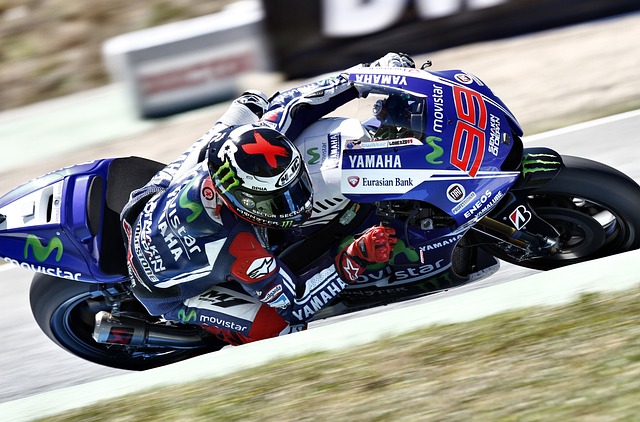
When it comes to cornering on a motorcycle, body positioning is paramount. By mastering the correct body position techniques, you can significantly improve your control, stability, and overall riding experience. Let’s delve into the importance of body position and how it contributes to safer and more efficient cornering.
Proper body position allows you to lean and turn smoothly through corners, reducing the risk of losing control. By shifting your weight and aligning your body with the bike, you can maintain balance and maximize traction.
The Correct Body Position Techniques
1. Hang off: When approaching a corner, position your body slightly off-center towards the inside of the turn. This technique, known as hanging off, helps to counterbalance the bike’s lean and maintain stability. Keep your torso relaxed and perpendicular to the bike, while extending your inside leg towards the tank for additional support.
2. Grip the tank: Maintain a firm grip on the motorcycle’s tank with your knees. This helps stabilize your body and allows you to control the bike through subtle shifts in weight distribution.
3. Relax your upper body: Avoid tensing your upper body, as it can hinder your ability to make smooth and precise movements. Keep your arms relaxed and slightly bent, allowing for fluid steering inputs.
“By positioning your body correctly, you create a symbiotic relationship with your motorcycle, enhancing your control and stability.”
4. Look through the corner: As you enter a corner, focus your gaze on the exit point rather than fixating on the immediate roadway in front of you. This visual technique helps you anticipate and react to any potential hazards or changes in the road surface.
Benefits of Proper Body Position
- Enhanced control and stability
- Improved weight distribution
- Maximized traction
- Reduced risk of loss of control
- Smoother and more efficient cornering
- Increased confidence in your riding abilities

Mastering motorcycle cornering body position is essential for riders looking to take their skills to the next level. Practice these techniques consistently to become more comfortable and proficient in your cornering abilities. Remember, advanced motorcycle cornering is a continuous learning process, and refining your body position skills will contribute to safer and more enjoyable rides.
Polishing Your Cornering Technique
Now that you have a solid understanding of the basics and the correct body position, it’s time to take your cornering technique to the next level. In this section, we will explore advanced motorcycle cornering techniques that will help you navigate corners with precision and confidence. By mastering these techniques, you’ll enhance your riding experience and become a more skilled and versatile rider.
Understanding Lean Angles
One of the key elements to master in advanced cornering is understanding lean angles. As you approach a corner, gradually lean your body and your bike into the turn. The more you lean, the sharper your cornering ability. However, it’s essential to find the right balance and avoid over-leaning, which can lead to instability. Practice finding your optimal lean angle to maintain control and stability throughout the corner.
Utilizing Braking Techniques
Braking is a crucial aspect of cornering technique. Knowing how and when to apply the brakes can make all the difference in a smooth and controlled corner. Before entering a turn, apply gentle and smooth brakes to adjust your speed and stabilize your bike. Remember to release the brakes smoothly as you initiate the lean, allowing the bike to naturally settle into the corner. Avoid harsh or sudden braking, as it can upset the balance of the bike and diminish your control.
Trail Braking for Advanced Riders
For more experienced riders seeking to refine their cornering technique, trail braking is a valuable skill to master. It involves maintaining gentle pressure on the brakes while leaning into the corner. Trail braking allows for greater control and stability throughout the corner and can help you maintain an optimal line. However, it requires precise throttle and brake control, so practice in a controlled environment before attempting it on the road.
Looking Through the Corner
Where you look while cornering greatly influences your line and overall technique. Rather than fixating on the immediate path ahead, focus on looking through the corner to anticipate your line and navigate it smoothly. Looking ahead allows your body and bike to naturally follow the intended path, enhancing your control and reducing the chances of over-correction. Practice scanning through corners and maintaining a steady gaze for improved cornering.
Remember to Practice
Mastering advanced motorcycle cornering techniques takes time and practice. Find a controlled environment, such as a racetrack or an empty parking lot, to practice these techniques before attempting them on public roads. Start with gradual, low-speed corners and progressively work up to higher speeds and tighter turns as you gain confidence and proficiency.
The key to polishing your cornering technique lies in refining your skills and continuously challenging yourself. With practice and dedication, you’ll become a proficient rider capable of confidently taking on any corner. Stay focused, stay safe, and enjoy the exhilaration that advanced cornering techniques bring to your motorcycle journey.
Practicing Cornering on Different Road Conditions
When it comes to motorcycle cornering, it’s crucial to adapt to different road conditions and understand the unique challenges they present. From wet roads to gravel surfaces, each environment requires a specific approach to ensure your safety and maintain control. In this section, we’ll explore how to handle corners on various road conditions and provide valuable tips to sharpen your motorcycle cornering techniques.
1. Cornering on Wet Roads
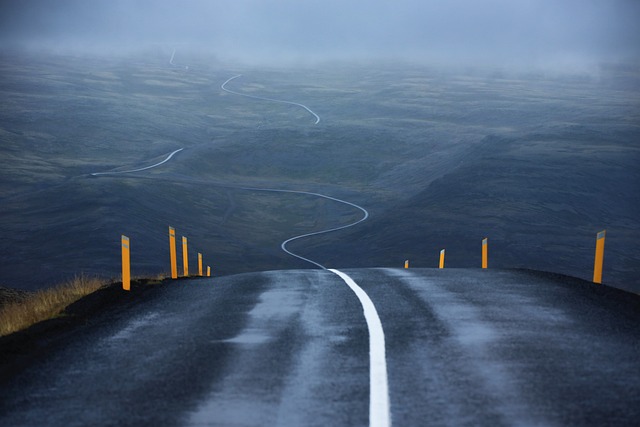
Motorcycle cornering on wet roads demands extra caution due to reduced traction and increased risk of sliding. To navigate corners safely in wet conditions:
- Reduce your speed and approach corners with a wider path to allow for smoother turns.
- Apply gentle and gradual braking before entering the corner to avoid skidding.
- Keep a relaxed grip on the handlebars to maintain stability.
- Avoid sudden throttle inputs and maintain a steady speed through the corner.
2. Handling Gravel Surfaces
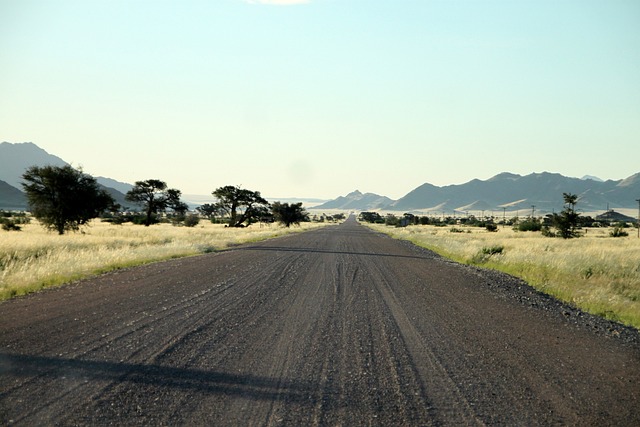
Gravel roads can be particularly challenging for motorcycle cornering due to their loose and unpredictable surface. Here’s how to tackle corners on gravel:
- Approach corners at a controlled speed, keeping in mind that braking distance may be longer on gravel.
- Maintain a higher body position to handle potential slips and maintain stability.
- Use gentle and gradual throttle inputs to avoid wheel spin.
- Avoid sudden changes in direction and strive for smooth, fluid movements.
Remember, adaptability is key when cornering on different road conditions. Understanding how each surface affects your motorcycle’s traction and adjusting your technique accordingly will help you navigate corners with confidence.
3. Tips for Different Corner Types
While the approach to cornering remains consistent across most corners, certain types require specific techniques to ensure optimal control and stability. Let’s explore a few:
- Hairpin turns: These tight, U-shaped corners demand precise control and smooth execution. Brake and slow down before entering the turn, keeping your body position upright to maintain balance. Gradually lean into the corner, modulating throttle to maintain control throughout.
- Sweeping curves: These long, flowing corners allow for higher speeds. Practice proper body position and initiate the lean gradually, gradually increasing speed through the turn while maintaining control and stability.
By developing your skills to handle different corner types, you’ll be ready to tackle any road layout with confidence.
Conclusion
Investing time in mastering motorcycle cornering techniques can greatly enhance your riding experience. By understanding the fundamentals, perfecting your body position, and continuously practicing, you’ll be able to navigate corners with ease and confidence.
Remember, cornering safely is a skill that requires ongoing practice and refinement. Don’t be discouraged if it takes time to perfect your techniques. With patience and perseverance, you’ll gradually see improvements in your cornering skills.
So, get out there, apply what you’ve learned, and enjoy the thrill of motorcycle cornering. Whether it’s on city streets or winding country roads, mastering the art of cornering will not only make your rides safer but also more exciting. Keep pushing your limits, always prioritizing safety, and revel in the freedom of the open road.
FAQ
How can I corner safely on a motorcycle?
What are some motorcycle cornering tips for beginners?
How does body position affect motorcycle cornering?
What are some advanced motorcycle cornering techniques?
How can I adapt my cornering technique to different road conditions?

Free Reports and more.........
- From Track Days to MotoGP: The Exciting World of Motorcycle Racing
- The Future of Two Wheels? Exploring the Rise of Electric Motorcycles
- Finding Your Perfect Ride: A Guide to Buying a Used Motorcycle
- Pushing the Limits: The Dangers and Risks of the Isle of Man TT
- The Ultimate Challenge: Conquering the Isle of Man TT
- More Than Just a Race: The Unforgettable Isle of Man TT Fan Experience
- Planning Your Dream Motorcycle Touring Trip
- Inside the Paddock: A Look at the Teams and Riders of the Isle of Man TT
- Motorcycle Windproof Face Mask: Protect Your Face in Style
- Warm Motorcycle Base Layers for Riders Year-Round Comfort
- Insulated Motorcycle Boots for Riding in Cold Weather
- Winter Motorcycle Pants – Stay Warm and Protected
- Heated Motorcycle Clothing: Stay Warm on the Road
- Best Snowmobile Suits for Sale | Top Brands & Styles
- Motorcycle Gear for Cold Weather – Stay Warm and Safe
- Cold Weather Motorcycle Jacket – Stay Warm on the Road
- Cozy & Protective Thermal Motorcycle Gear for All Seasons
- Winter Motorcycle Riding Gear | Top Choices for Cold Weather
- Best Heated Motorcycle Gloves: Stay Warm on the Road
- From Biker Gangs to Bad Boys: Iconic Motorcycles in Film and Television
Free Reports and more.........
- From Track Days to MotoGP: The Exciting World of Motorcycle Racing
- The Future of Two Wheels? Exploring the Rise of Electric Motorcycles
- Finding Your Perfect Ride: A Guide to Buying a Used Motorcycle
- Pushing the Limits: The Dangers and Risks of the Isle of Man TT
- The Ultimate Challenge: Conquering the Isle of Man TT
- More Than Just a Race: The Unforgettable Isle of Man TT Fan Experience
- Planning Your Dream Motorcycle Touring Trip
- Inside the Paddock: A Look at the Teams and Riders of the Isle of Man TT
- Motorcycle Windproof Face Mask: Protect Your Face in Style
- Warm Motorcycle Base Layers for Riders Year-Round Comfort
- Insulated Motorcycle Boots for Riding in Cold Weather
- Winter Motorcycle Pants – Stay Warm and Protected
- Heated Motorcycle Clothing: Stay Warm on the Road
- Best Snowmobile Suits for Sale | Top Brands & Styles
- Motorcycle Gear for Cold Weather – Stay Warm and Safe
- Cold Weather Motorcycle Jacket – Stay Warm on the Road
- Cozy & Protective Thermal Motorcycle Gear for All Seasons
- Winter Motorcycle Riding Gear | Top Choices for Cold Weather
- Best Heated Motorcycle Gloves: Stay Warm on the Road
- From Biker Gangs to Bad Boys: Iconic Motorcycles in Film and Television
Leave a Reply