How do I shift gears on a motorcycle
We may receive small commissions for purchases made through affiliate links at no extra cost to you. However, this does not impact the integrity of our reviews and comparisons. Full disclosure here
When it comes to riding a motorcycle, knowing how to shift gears is not just a matter of convenience, it’s a matter of safety. Whether you’re a novice or an experienced rider, understanding the art of gear shifting is essential for optimizing your speed, maneuverability, and control on the road.
But don’t worry, we’ve got you covered. In this article, we’ll provide you with a step-by-step guide on how to shift gears on a motorcycle. From understanding the transmission system to mastering the technique, you’ll be equipped with all the knowledge you need to enhance your riding skills.
Key Takeaways:
- Shifting gears on a motorcycle is crucial for a smooth and controlled ride.
- Understanding the transmission system and its components is essential.
- Engaging the clutch and mastering the timing are key steps in shifting gears.
- Matching engine speed, anticipating gear changes, and avoiding common mistakes can ensure smooth transitions.
- By following our guide and implementing our tips, you’ll be able to shift gears confidently and enjoy the thrill of the ride.
Understanding the Motorcycle Transmission System
In this section, we will delve into the intricacies of the motorcycle transmission system and explore its various components. Understanding how the transmission system works is essential for any motorcycle rider who wants to have a smooth and efficient riding experience.
The Clutch: Enabling Smooth Gear Changes
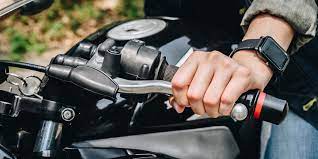
One of the key components of the motorcycle transmission system is the clutch. The clutch is responsible for disconnecting and connecting the engine power to the transmission. When the clutch lever is squeezed, the clutch plates separate, disengaging the power flow. Releasing the clutch lever allows the plates to come together again, transmitting power to the transmission.
Gear Shifter: Selecting the Right Gear
The gear shifter, usually located on the left side of the motorcycle, allows you to change gears. By using your left foot to control the gear shifter, you can shift up or down through the gears. Each shift changes the gear ratio, altering the speed and power delivery of the motorcycle.
“The gear shifter is a vital tool for controlling the motorcycle’s speed and acceleration. Understanding how to use it effectively will enhance your riding experience.” – Motorcycle Enthusiast Magazine
Gear Ratios: Enhancing Performance
Gear ratios play a crucial role in the motorcycle transmission system. Each gear has a specific ratio that determines the relationship between the speed of the engine and the speed of the wheels. Lower gears provide more torque for acceleration, while higher gears allow for increased speed. The selection of the appropriate gear ratio depends on the riding conditions and the desired performance.
- First gear: Offers the highest torque and lowest top speed, suitable for starting from a standstill or climbing steep inclines.
- Second and third gears: Provide a balance between torque and speed, ideal for city riding and moderate acceleration.
- Higher gears: Reaching fourth, fifth, and possibly sixth gears maximizes speed and fuel efficiency, great for highway cruising.
Understanding the motorcycle transmission system and its components empowers riders to make informed gear choices, optimizing performance and ensuring a smooth ride. In the next section, we will provide a step-by-step guide on how to effectively shift gears on a motorcycle.
Step-by-Step Guide for Shifting Gears
Shifting gears on a motorcycle is a crucial skill that every rider must master. Whether you’re a beginner or an experienced rider, understanding the correct process for changing gears is essential for smooth and efficient motorcycle riding. In this section, we will provide a step-by-step guide to help you navigate through the gears with ease.
1. Engaging the Clutch
Before shifting gears, it’s important to engage the clutch. Use your left hand to pull the clutch lever towards the handlebars, disengaging the engine’s power from the wheels. This allows you to shift gears without causing any damage to the transmission system.
2. Shifting Up
Once the clutch is engaged, you can shift up to a higher gear. Apply gentle pressure to the gear shifter lever with the front part of your left foot. Gradually release the clutch lever while gently rolling on the throttle to match the engine speed with the higher gear. Remember to shift up at the appropriate engine RPM to ensure smooth gear transitions.
- First Gear to Second Gear: Shift up when the engine reaches around 3,000 to 4,000 RPM.
- Second Gear to Third Gear: Shift up when the engine reaches around 5,000 to 6,000 RPM.
- Third Gear to Fourth Gear: Shift up when the engine reaches around 7,000 to 8,000 RPM.
3. Shifting Down
When you need to slow down or come to a stop, shifting down to lower gears is necessary. Start by gently applying pressure to the gear shifter lever with the front part of your left foot. Simultaneously, use your left hand to slowly release the clutch lever while slightly rolling off the throttle. This will help match the engine speed with the lower gear, allowing for a smooth gear change.
4. Practicing Smooth Gear Transitions
Smooth gear transitions require practice and fine-tuning your technique. As you gain more experience, you’ll develop a feel for the engine sound, ensuring the right timing for shifting gears. Remember to always anticipate gear changes based on the road conditions and your speed, allowing for seamless transitions.
Furthermore, it’s important to avoid common gear shifting mistakes such as forcefully slamming the gear shifter or hesitating when shifting. Gradually and confidently shift gears, maintaining control and stability throughout the process. With practice, you’ll be able to shift gears seamlessly, enhancing your overall riding experience.
Remember, shifting gears on a motorcycle is all about precision and control. By following these step-by-step instructions and practicing regularly, you’ll master the art of gear shifting, ensuring a smooth and enjoyable ride every time.
Tips for Smooth Gear Transitions
When it comes to shifting gears on a motorcycle, smooth transitions are key for a seamless riding experience. Here are some valuable tips to help you master the art of gear shifting:
- Match engine speed: Before changing gears, ensure that the engine speed matches the desired gear. As you shift up, increase the engine throttle gradually to prevent any jerky movements. Similarly, when shifting down, decrease the throttle to match the lower gear.
- Anticipate gear changes: Pay attention to your speed and anticipate when you’ll need to shift gears. By being proactive, you can smoothly transition to the appropriate gear before the engine starts to strain or lose power.
- Avoid common shifting mistakes: One common mistake is shifting gears when you’re in the middle of a turn. It’s best to wait until you’re in a straight line, as shifting during a turn can affect your balance and stability. Additionally, avoid downshifting multiple gears at once, as this can cause the rear wheel to lock up.
Pro tip: Practice shifting gears in a controlled environment, such as an empty parking lot, before hitting the road. This will help you build muscle memory and develop a smoother gear shifting technique.
By implementing these tips, you’ll be able to shift gears on your motorcycle with confidence and finesse. Remember, practice makes perfect, so take the time to familiarize yourself with your bike’s gear shifting mechanism and enjoy the thrill of a well-coordinated ride!
Conclusion
Mastering the art of shifting gears on a motorcycle is crucial for enhancing your riding experience. Understanding the transmission system and following a step-by-step guide can help you shift gears smoothly and confidently. By implementing our tips, you’ll be ready to hit the road and embrace the thrilling adventure that awaits.
Shifting gears on a motorcycle requires coordination and practice. Remember to engage the clutch, time your shifts correctly, and maintain control over your motorcycle’s engine speed. By doing so, you’ll ensure a seamless transition and avoid gear shifting mistakes that could compromise your safety.
As you gain more experience, anticipate gear changes to stay ahead of the curve. This involves reading the road, adjusting your speed, and gearing up or down accordingly. In time, shifting gears on a motorcycle will become second nature, allowing you to focus more on the journey and less on the mechanics.
FAQ
How do I shift gears on a motorcycle?
What is the motorcycle transmission system?
How do I change gears on a motorcycle?
What are some tips for smooth gear transitions while riding a motorcycle?

Free Reports and more.........
- From Track Days to MotoGP: The Exciting World of Motorcycle Racing
- The Future of Two Wheels? Exploring the Rise of Electric Motorcycles
- Finding Your Perfect Ride: A Guide to Buying a Used Motorcycle
- Pushing the Limits: The Dangers and Risks of the Isle of Man TT
- The Ultimate Challenge: Conquering the Isle of Man TT
- More Than Just a Race: The Unforgettable Isle of Man TT Fan Experience
- Planning Your Dream Motorcycle Touring Trip
- Inside the Paddock: A Look at the Teams and Riders of the Isle of Man TT
- Motorcycle Windproof Face Mask: Protect Your Face in Style
- Warm Motorcycle Base Layers for Riders Year-Round Comfort
- Insulated Motorcycle Boots for Riding in Cold Weather
- Winter Motorcycle Pants – Stay Warm and Protected
- Heated Motorcycle Clothing: Stay Warm on the Road
- Best Snowmobile Suits for Sale | Top Brands & Styles
- Motorcycle Gear for Cold Weather – Stay Warm and Safe
- Cold Weather Motorcycle Jacket – Stay Warm on the Road
- Cozy & Protective Thermal Motorcycle Gear for All Seasons
- Winter Motorcycle Riding Gear | Top Choices for Cold Weather
- Best Heated Motorcycle Gloves: Stay Warm on the Road
- From Biker Gangs to Bad Boys: Iconic Motorcycles in Film and Television
Free Reports and more.........
- From Track Days to MotoGP: The Exciting World of Motorcycle Racing
- The Future of Two Wheels? Exploring the Rise of Electric Motorcycles
- Finding Your Perfect Ride: A Guide to Buying a Used Motorcycle
- Pushing the Limits: The Dangers and Risks of the Isle of Man TT
- The Ultimate Challenge: Conquering the Isle of Man TT
- More Than Just a Race: The Unforgettable Isle of Man TT Fan Experience
- Planning Your Dream Motorcycle Touring Trip
- Inside the Paddock: A Look at the Teams and Riders of the Isle of Man TT
- Motorcycle Windproof Face Mask: Protect Your Face in Style
- Warm Motorcycle Base Layers for Riders Year-Round Comfort
- Insulated Motorcycle Boots for Riding in Cold Weather
- Winter Motorcycle Pants – Stay Warm and Protected
- Heated Motorcycle Clothing: Stay Warm on the Road
- Best Snowmobile Suits for Sale | Top Brands & Styles
- Motorcycle Gear for Cold Weather – Stay Warm and Safe
- Cold Weather Motorcycle Jacket – Stay Warm on the Road
- Cozy & Protective Thermal Motorcycle Gear for All Seasons
- Winter Motorcycle Riding Gear | Top Choices for Cold Weather
- Best Heated Motorcycle Gloves: Stay Warm on the Road
- From Biker Gangs to Bad Boys: Iconic Motorcycles in Film and Television
Leave a Reply