Riding in Style and Safety: Choosing Your Perfect Motorcycle Helmet
We may receive small commissions for purchases made through affiliate links at no extra cost to you. However, this does not impact the integrity of our reviews and comparisons. Full disclosure here
Revving up your motorcycle for an adventure on the open road brings an unmatched thrill. But amidst the excitement, safety should always be a top priority. One of the key pieces of gear every rider needs is a reliable helmet. It’s not just an accessory; it’s your shield against the unexpected. So, let’s dive into the world of motorcycle helmets, exploring how to find the ideal one that blends safety, comfort, and style seamlessly.

Our website contains affiliate links to products. We may receive a small commission for purchases made through these links at no extra cost to you. However, this does not impact the integrity of our reviews and comparisons. We are committed to providing our audience with unbiased and informative content. Learn more here.
Understanding the Purpose Behind Motorcycle Helmets
Picture this: the wind rushing past, the freedom of the ride, and the assurance that your head is well-protected. That’s what a good motorcycle helmet provides. It’s not just about meeting regulations; it’s about safeguarding yourself from potential head injuries. Certified helmets undergo rigorous tests to ensure they meet safety standards, giving you peace of mind during your adventures.
Safety as the foremost priority cannot be overstated when it comes to motorcycle helmets. These protective headgears serve as the first line of defense for riders against the unpredictable elements on the road. They’re not merely an accessory; they’re a shield that stands between a rider’s head and potential injury.
Imagine the impact of a fall or collision while riding a motorcycle. In such instances, a high-quality helmet plays a pivotal role in mitigating severe head trauma. Head injuries can be catastrophic and life-altering, but the right helmet significantly reduces the risk and severity of such outcomes.
The critical role of helmets in preventing head injuries lies in their design and construction. These helmets are engineered with sturdy outer shells, impact-absorbing liners, and chin straps to ensure they stay securely in place during an accident. They work as a shock absorber, dispersing the force of impact and safeguarding the skull and brain from damage.
Furthermore, the importance of meeting safety standards cannot be emphasized enough. Helmets undergo rigorous testing procedures to comply with specific certifications and regulations. These standards vary across regions but commonly include tests for impact resistance, penetration resistance, and retention system effectiveness.
Certified helmets are subjected to various simulations of potential accidents and extreme conditions to ensure they meet these stringent safety benchmarks. These tests validate their ability to protect the rider’s head under real-life scenarios, providing an assurance of quality and reliability.
By adhering to these safety standards, helmets not only provide a sense of security for riders but also contribute significantly to reducing the risk of severe head injuries or fatalities in motorcycle accidents.
In summary, motorcycle helmets are not just a mandatory accessory; they are a vital safety tool designed to shield riders from the dangers of the road. Their construction, adherence to safety standards, and pivotal role in preventing head injuries make them an indispensable piece of gear for every motorcycle enthusiast.
Different helmet types:
When it comes to choosing the right motorcycle helmet, the market offers a diverse array of options, each tailored to cater to specific riding styles, preferences, and safety needs. Understanding the various types of helmets available can significantly impact a rider’s comfort and protection on the road.
- Full-face Helmets: Full-face helmets are the fortress of motorcycle headgear. They provide the most comprehensive coverage, encompassing the entire head, including the face and chin. With a sturdy outer shell and a visor that shields the eyes from wind, debris, and sunlight, these helmets offer maximum protection. Their design minimizes wind noise and offers excellent aerodynamics, making them ideal for high-speed rides. Additionally, full-face helmets often feature superior ventilation systems to keep riders cool during long journeys.
- Open-face Helmets: Open-face helmets, also known as three-quarter helmets, cover the head but leave the face exposed. They offer a sense of freedom and better visibility, making them popular among urban commuters and cruiser riders. While they provide adequate protection to the skull, chin, and ears, they lack the full-face coverage and chin protection found in other helmet types. However, their design allows for increased airflow and a more open riding experience.
- Modular Helmets: Modular helmets combine the features of full-face and open-face helmets, providing versatility for riders who desire both styles. They feature a hinged or flip-up chin bar that can be raised, transforming them from a full-face helmet into an open-face one. This flexibility allows riders to easily switch between full coverage and increased visibility, making modular helmets suitable for various riding conditions. However, it’s crucial to ensure the chin bar locks securely in place for optimal safety.
- Off-road Helmets: Off-road or motocross helmets are specifically designed for riders who venture off the beaten path. These helmets prioritize ventilation and lightweight construction, making them ideal for intense off-road riding. They feature elongated chin bars, large visors to shield against mud and debris, and enhanced airflow to keep riders cool in challenging terrains. The peak visor helps deflect roost, branches, and other obstacles encountered during off-road adventures.
Tailoring the choice of helmet depends on individual preferences, riding style, and safety requirements. For instance, full-face helmets excel in providing maximum protection for high-speed rides, while open-face helmets offer a more open and casual riding experience. Modular helmets suit those seeking a blend of both styles, allowing flexibility on the road. Meanwhile, off-road helmets cater specifically to the demands of adventurous off-road riding, ensuring comfort and protection in rugged environments.
Understanding these distinctions empowers riders to make informed choices, ensuring they find the helmet that best aligns with their riding needs while prioritizing safety and comfort on every journey.
Fit and Comfort: Importance of Proper Sizing and Finding the Right Fit
Ensuring a helmet fits snugly and comfortably is paramount for every rider. A helmet that doesn’t fit correctly not only compromises safety but can also cause discomfort, distracting from the joy of the ride. Proper sizing involves measuring the circumference of the head to determine the right helmet size. Manufacturers offer size charts to guide riders in choosing the appropriate size based on their head measurements. Trying on helmets in person and checking for a secure yet comfortable fit across the crown, cheeks, and chin is crucial. It should neither be too loose nor too tight, ensuring it stays in place during a ride while remaining comfortable for extended periods.
Material and Construction: Exploring Materials like Polycarbonate, Fiberglass, and Carbon Fiber
The choice of materials in helmet construction significantly impacts its performance and durability. Polycarbonate helmets offer a lightweight and budget-friendly option, providing decent protection against impacts. Fiberglass helmets strike a balance between weight and strength, offering better impact absorption than polycarbonate while remaining relatively lightweight. On the other hand, carbon fiber helmets excel in both strength and lightness, making them the premium choice among riders seeking top-notch performance. These materials undergo rigorous testing to meet safety standards, ensuring helmets effectively absorb and distribute impact forces in the event of a crash.
Ventilation and Noise Reduction: Factors Affecting Comfort During Long Rides
Ventilation systems play a pivotal role in maintaining comfort during rides. Helmets with well-designed ventilation channels allow airflow, preventing excessive heat buildup and keeping riders cool and dry. Strategically placed vents help in circulating air, reducing fogging and enhancing comfort, especially during warmer weather or extended journeys. Additionally, noise reduction features are crucial for a pleasant riding experience. Helmets with noise-reducing padding or designs that minimize wind noise contribute to reduced fatigue, enabling riders to stay focused and comfortable for prolonged rides.
Additional Features: Visors, Padding, and Communication Systems
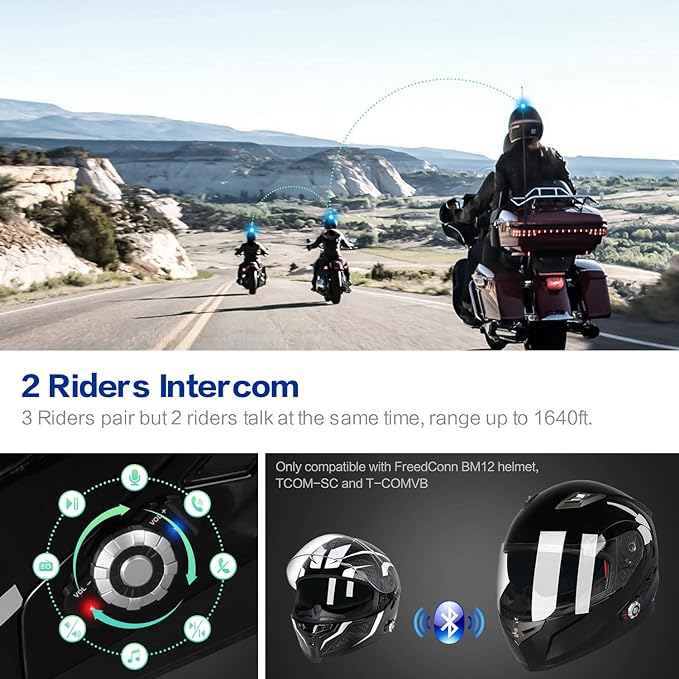
Visors serve multiple purposes beyond shielding the eyes from sunlight and debris. Anti-fog and anti-scratch coatings enhance visibility, ensuring clear sightlines even in challenging conditions. Quick-release mechanisms for visors offer convenience during changing light or weather conditions. Quality padding made of moisture-wicking materials enhances comfort and helps in sweat absorption, preventing discomfort during rides. Some helmets also accommodate communication systems, allowing riders to stay connected or communicate with fellow riders via integrated Bluetooth technology, enhancing both safety and convenience.
Understanding these facets empowers riders to prioritize comfort, safety, and functionality when selecting a motorcycle helmet. The right fit, quality materials, ventilation systems, and additional features all contribute to a more enjoyable and secure riding experience, ensuring that every journey is both safe and comfortable.
Factors to Consider When Choosing a Motorcycle Helmet
Finding the perfect helmet involves more than just picking the right size. It’s about comfort, materials, ventilation, and additional features. Ensuring a snug fit, choosing durable materials like fiberglass or carbon fiber, and considering ventilation to keep you cool during long rides are crucial aspects to weigh in.
Importance of Aesthetics: How Style Plays a Role in Choosing a Helmet
While safety is paramount when selecting a motorcycle helmet, style and aesthetics also hold significant importance. The appearance of a helmet isn’t merely about fashion; it’s about self-expression and aligning with the rider’s personality. Style plays a pivotal role in enhancing the overall riding experience, instilling confidence and a sense of identity while on the road. Aesthetics aren’t just superficial; they contribute to the rider’s comfort and enjoyment.
Reflecting Personal Taste: Discussing Color Options, Designs, and Customization
Color options and designs are avenues for riders to express their individuality and preferences. Some riders prefer classic and understated colors like black, white, or matte finishes, while others opt for vibrant hues or intricate graphics that reflect their personality or match their motorcycle’s aesthetics. Helmets come in an array of designs, from sleek and minimalist styles to bold graphics or patterns, catering to diverse tastes and preferences.
Moreover, customization options allow riders to tailor their helmets to their liking. Some manufacturers offer customization services, allowing riders to add personal touches such as custom paint jobs, decals, or even personalized graphics. This customization not only adds a unique touch but also creates a stronger bond between the rider and their gear.
Selecting a helmet that resonates with personal taste and style isn’t just about aesthetics; it can also influence the rider’s attitude and confidence while riding. Feeling comfortable and connected to their gear encourages a sense of ownership and pride, positively impacting the overall riding experience.
In essence, the aesthetics of a helmet go beyond mere looks; they’re an extension of the rider’s personality and individuality. Whether it’s through color choices, designs, or customization options, helmets serve as a canvas for riders to express themselves, creating a unique and personal connection that enhances their riding journey.
Style and Personal Preferences
Who says safety can’t be stylish? Helmets today aren’t just about protection; they’re also fashion statements. Whether you prefer bold colors, sleek designs, or customization options to match your personality, there’s a helmet out there that blends safety with your unique style.
The Search Process
Shopping for a helmet involves more than just browsing online. It’s about research, trying out options, and understanding what suits you best. Reading reviews, visiting stores to test the fit, and considering the pros and cons of online versus in-store purchases are all part of finding your perfect match.
Researching Brands and Reviews: Importance of Thorough Research Before Purchasing
Before investing in a motorcycle helmet, conducting thorough research is key to making an informed decision. Exploring different brands, their reputations, and the range of helmets they offer is crucial. Reading reviews from both experts and fellow riders provides valuable insights into the quality, performance, and durability of various helmet models. This research phase allows potential buyers to understand the features, safety certifications, and overall satisfaction levels associated with different brands, aiding in narrowing down options that align with their preferences and safety requirements.
Trying It Out: Visiting Physical Stores to Ensure Proper Fit and Comfort
While online research is invaluable, physically trying on helmets is essential to ensure a proper fit and maximum comfort. Visiting brick-and-mortar stores allows riders to assess the fitment firsthand, ensuring the helmet contours to their head shape comfortably. Trying on various sizes, adjusting straps, and feeling the weight and padding firsthand helps in determining which helmet provides the best fit and comfort. Additionally, experiencing the helmet in person provides insights into its ventilation, noise levels, and overall feel, enabling a more confident purchase decision.
Online vs. In-Store Shopping: Pros and Cons of Each Approach
Online Shopping: Pros:
- Convenience: Shopping from the comfort of home at any time.
- Extensive Options: Access to a wide range of brands and models.
- Comparative Research: Ability to compare prices and read reviews easily.
- Warehouse prices: save big time or get extra.
Cons:
- Fit Uncertainty: Inability to try the helmet for size and comfort before purchase.
- Return Process: Challenges associated with returns if the helmet doesn’t fit or meet expectations.
- Limited Sensory Experience: Lack of firsthand experience with the helmet’s feel and features.
In-Store Shopping: Pros:
- Fitting and Feel: Ability to try on helmets to ensure proper fit and comfort.
- Hands-on Experience: Evaluating ventilation, noise levels, and overall quality firsthand.
- Immediate Purchase: Instant availability for immediate use after purchase.
Cons:
- Limited Selection: Some stores might have a smaller variety of brands/models.
- Time-Consuming: Requires visiting physical stores, which may not always be convenient.
- Potential Bias: In-store staff might have preferences or biases towards certain brands.
Choosing between online and in-store shopping depends on individual preferences and circumstances. Online shopping offers convenience and access to a wide range of options but lacks the ability to try on helmets before purchasing. In contrast, in-store shopping allows for hands-on experiences but might have limitations in terms of selection and convenience.
In conclusion, a combination of thorough online research and in-store visits for fitting and evaluation provides a comprehensive approach to selecting the perfect motorcycle helmet, ensuring both comfort and safety for every rider.
Addressing Common Concerns and Misconceptions
Let’s bust some myths! Helmets aren’t uncomfortable, and they definitely don’t obstruct vision. Addressing common misconceptions helps riders embrace the protective gear more willingly, understanding its true value.
Helmet Myths Debunked: Addressing Misconceptions About Helmets
Misconceptions surrounding motorcycle helmets persist despite their proven effectiveness in preventing head injuries. It’s crucial to dispel these myths to promote a better understanding of the importance and benefits of wearing helmets.
“Helmets restrict vision and hearing.” Reality: Modern helmet designs ensure adequate visibility and hearing while riding. Helmets meet safety standards, providing sufficient peripheral vision and minimizing noise without compromising safety.
“Helmets increase the risk of neck injuries.” Reality: Properly designed helmets distribute impact forces, reducing the risk of head injuries. They are engineered to absorb and disperse impact energy, minimizing the strain on the neck during a crash.
“I’m a skilled rider; I don’t need a helmet.” Reality: Accidents can happen to anyone, regardless of skill level. Helmets protect against unforeseen incidents and can be a crucial lifesaving measure in case of a collision or fall.
“Helmets don’t significantly improve safety.” Reality: Statistics consistently show that wearing helmets dramatically reduces the severity of head injuries and the likelihood of fatalities in motorcycle accidents.
Overcoming Barriers to Wearing Helmets: Encouraging Riders to Prioritize Safety
Encouraging riders to prioritize safety and wear helmets involves addressing misconceptions and fostering a culture of responsible riding.
- Education and Awareness: Providing factual information about the efficacy of helmets in preventing head injuries is essential. Campaigns, safety seminars, and educational programs can help debunk myths and emphasize the life-saving benefits of wearing helmets.
- Lead by Example: Influential figures within riding communities, such as experienced riders, influencers, or leaders, can set positive examples by consistently wearing helmets. Their actions can influence others to follow suit and prioritize safety.
- Legislation and Enforcement: Strong helmet laws and their strict enforcement play a crucial role in encouraging helmet use. Strict enforcement not only promotes compliance but also underscores the seriousness of the safety measure.
- Community Support: Creating a supportive environment within riding communities, where wearing helmets is encouraged and normalized, fosters a culture where safety is valued and respected.
By debunking myths and addressing barriers to helmet use, riders can be empowered to make informed decisions regarding their safety. Prioritizing safety through education, leading by example, and supportive measures within communities can significantly increase helmet usage rates and, ultimately, save lives on the road.
The Investment in Safety and Style
Think of your helmet as an investment in your safety and comfort rather than just another expense. Balancing cost with quality ensures you get a helmet that’s durable and provides the protection you need.
Conclusion
Selecting the right motorcycle helmet involves considering safety, comfort, and personal style. It’s not just about finding any helmet; it’s about finding YOUR helmet—one that reflects who you are while ensuring you stay safe on every ride. Stay upright.

Free Reports and more.........
- From Track Days to MotoGP: The Exciting World of Motorcycle Racing
- The Future of Two Wheels? Exploring the Rise of Electric Motorcycles
- Finding Your Perfect Ride: A Guide to Buying a Used Motorcycle
- Pushing the Limits: The Dangers and Risks of the Isle of Man TT
- The Ultimate Challenge: Conquering the Isle of Man TT
- More Than Just a Race: The Unforgettable Isle of Man TT Fan Experience
- Planning Your Dream Motorcycle Touring Trip
- Inside the Paddock: A Look at the Teams and Riders of the Isle of Man TT
- Motorcycle Windproof Face Mask: Protect Your Face in Style
- Warm Motorcycle Base Layers for Riders Year-Round Comfort
- Insulated Motorcycle Boots for Riding in Cold Weather
- Winter Motorcycle Pants – Stay Warm and Protected
- Heated Motorcycle Clothing: Stay Warm on the Road
- Best Snowmobile Suits for Sale | Top Brands & Styles
- Motorcycle Gear for Cold Weather – Stay Warm and Safe
- Cold Weather Motorcycle Jacket – Stay Warm on the Road
- Cozy & Protective Thermal Motorcycle Gear for All Seasons
- Winter Motorcycle Riding Gear | Top Choices for Cold Weather
- Best Heated Motorcycle Gloves: Stay Warm on the Road
- From Biker Gangs to Bad Boys: Iconic Motorcycles in Film and Television
Free Reports and more.........
- From Track Days to MotoGP: The Exciting World of Motorcycle Racing
- The Future of Two Wheels? Exploring the Rise of Electric Motorcycles
- Finding Your Perfect Ride: A Guide to Buying a Used Motorcycle
- Pushing the Limits: The Dangers and Risks of the Isle of Man TT
- The Ultimate Challenge: Conquering the Isle of Man TT
- More Than Just a Race: The Unforgettable Isle of Man TT Fan Experience
- Planning Your Dream Motorcycle Touring Trip
- Inside the Paddock: A Look at the Teams and Riders of the Isle of Man TT
- Motorcycle Windproof Face Mask: Protect Your Face in Style
- Warm Motorcycle Base Layers for Riders Year-Round Comfort
- Insulated Motorcycle Boots for Riding in Cold Weather
- Winter Motorcycle Pants – Stay Warm and Protected
- Heated Motorcycle Clothing: Stay Warm on the Road
- Best Snowmobile Suits for Sale | Top Brands & Styles
- Motorcycle Gear for Cold Weather – Stay Warm and Safe
- Cold Weather Motorcycle Jacket – Stay Warm on the Road
- Cozy & Protective Thermal Motorcycle Gear for All Seasons
- Winter Motorcycle Riding Gear | Top Choices for Cold Weather
- Best Heated Motorcycle Gloves: Stay Warm on the Road
- From Biker Gangs to Bad Boys: Iconic Motorcycles in Film and Television
Leave a Reply