Ultimate Guide to Staying Warm on Your Motorcycle in Winter
We may receive small commissions for purchases made through affiliate links at no extra cost to you. However, this does not impact the integrity of our reviews and comparisons. Full disclosure here
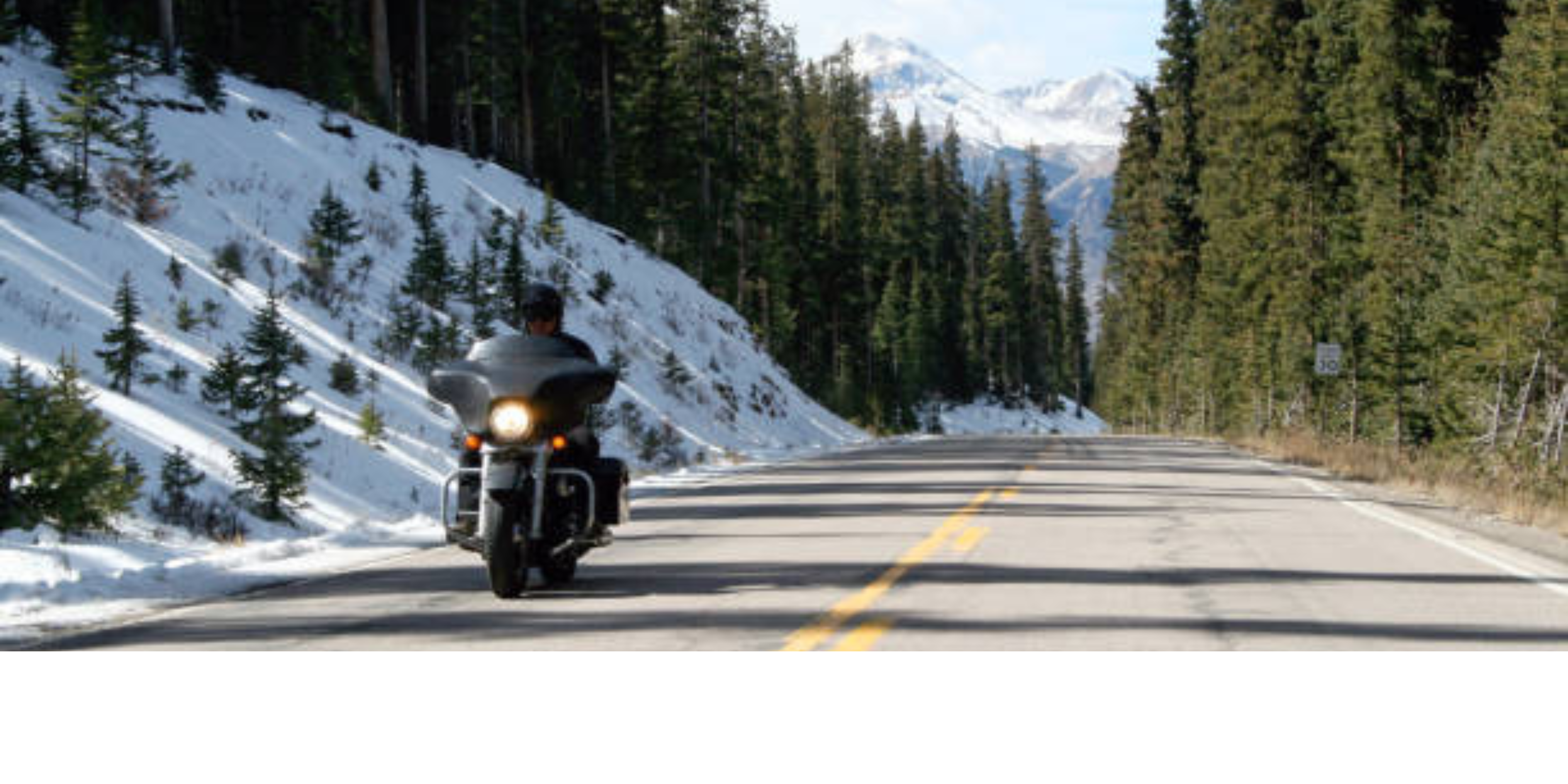
The Ultimate Guide to Staying Warm on Your Motorcycle in Winter
1. Introduction
Winter motorcycle riding can be a thrilling and exhilarating experience, but it also comes with its challenges. The plummeting temperatures and biting winds can make it extremely difficult to stay warm and comfortable or even see on your motorcycle. That’s why it’s essential to have the right gear and equipment to take on the cold weather conditions. In this ultimate guide, we will explore the winter motorcycle gear essentials, tips for staying warm on your motorcycle, and everything you need to know to make your cold weather motorcycle riding a cozy and enjoyable experience. So gear up and get ready to stay warm on your motorcycle this winter!
2. Understanding the importance of staying warm while riding in winter
Understanding the importance of staying warm while riding in winter is crucial for your safety and comfort. When your body is exposed to freezing temperatures, it can lead to frostbite and hypothermia, which can be extremely dangerous. Additionally, when your body is cold, your muscles become tense, reducing your reaction time and impairing your ability to control your motorcycle.
By staying warm, you not only protect yourself from potential health risks but also ensure that you can ride safely and confidently. Proper insulation and layering are key to retaining heat and regulating your body temperature. Invest in thermal base layers, heated gear, and windproof outerwear to keep the cold at bay. Don’t forget to cover your extremities with thermal gloves, socks, and boots to maintain circulation and prevent frostbite.
In the next section, we will delve into the essential winter riding gear you need to stay warm and safe on your motorcycle. Stay tuned for expert recommendations and tips to make your winter riding adventures enjoyable and comfortable.
3. Dressing appropriately for winter riding
When it comes to dressing appropriately for winter riding, there are a few key considerations to keep in mind. First and foremost, layering is essential for trapping heat and regulating your body temperature. Start with a thermal base layer to wick away moisture and provide insulation. Follow this with a mid-layer that provides additional warmth, such as a fleece or insulated jacket.
For the outer layer, opt for windproof and waterproof gear to protect yourself from the elements. Look for motorcycle-specific jackets and pants that are designed to keep you warm while still providing mobility and protection. Don’t forget to invest in thermal gloves, socks, and boots to keep your extremities warm and maintain blood circulation. Additionally, consider wearing a balaclava or neck gaiter to protect your face and neck from the biting cold.
In the following section, we will discuss the importance of proper headgear and eye protection for winter riding. Stay tuned for valuable insights and recommendations to keep you safe and comfortable on your motorcycle in winter
4. Investing in heated gear for added warmth
While layering and choosing the right outerwear are crucial for staying warm on your motorcycle in winter, sometimes it just isn’t enough. That’s where heated gear comes in. Investing in heated gear can provide an extra level of comfort and warmth during those frigid rides.
Heated jackets and vests are designed with built-in heating elements that distribute warmth evenly across your body. These garments often come with adjustable temperature settings, allowing you to control the level of heat based on your preference. Some heated gear even includes heated gloves and socks to ensure that your hands and feet stay toasty as well.
One of the significant advantages of heated gear is its versatility. Whether you’re commuting to work or embarking on a long-distance journey, heated gear can make all the difference in keeping you comfortable and focused on the road. With advancements in technology, these garments are now more lightweight, durable, and battery-efficient than ever before.
In the next section, we will explore the importance of properly maintaining your motorcycle in the winter months. Stay tuned for expert tips on winterizing your bike to ensure optimal performance and longevity.
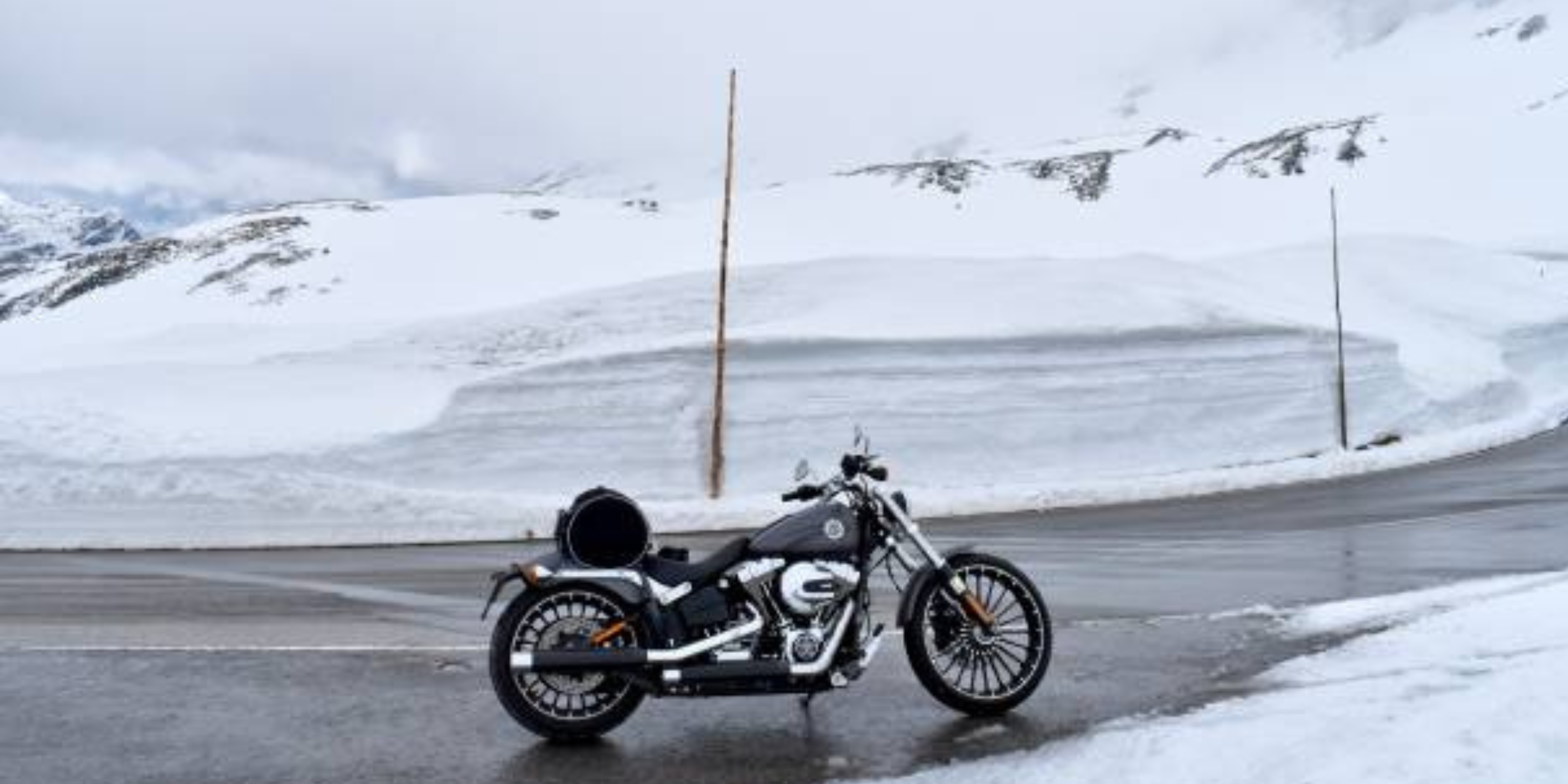
5. Tips and tricks for staying warm on your motorcycle
Now that we’ve covered the benefits of heated gear, let’s dive into some additional tips and tricks to help you stay warm on your motorcycle during the winter months. While heated gear can provide significant comfort, it’s always smart to have a few backup strategies to keep you cozy when facing extreme temperatures.
First and foremost, layering is key. Start with a moisture-wicking base layer that will keep sweat away from your body and help regulate your temperature. Next, add an insulating mid-layer, such as a fleece or thermal sweater. Finally, top it off with a windproof and waterproof outer layer to protect against the elements.
Another helpful tip is to invest in a windshield or fairing for your motorcycle. These accessories can provide some protection from the wind, reducing the chill factor as you ride. Additionally, consider wearing a balaclava or neck gaiter to keep your face and neck warm, and don’t forget to wear a helmet that fits properly and covers your head fully.
Lastly, pay attention to your extremities. Along with heated gloves and socks, consider using hand warmers and foot warmers or utilizing heated grips to keep your hands and feet toasty. And don’t forget to wear warm, insulated boots and thick, thermal socks for added insulation.
By following these tips and combining them with heated gear, you’ll be well-prepared to tackle the winter months on your motorcycle. Stay tuned for more expert advice on winterizing your bike in the next section.
6. Preparing your motorcycle for winter riding
Now that we’ve covered how to ensure your own comfort and warmth during winter riding, it’s important to also focus on preparing your motorcycle for the colder months. Taking a few extra steps to winterize your bike can help prevent damage and ensure its performance throughout the season.
Firstly, consider using winter-grade oil. The cold temperatures can thicken standard oil, making it less effective in lubricating your engine. Opt for an oil specifically designed for colder climates to ensure smooth operation.
Next, check your tire pressure regularly. Cold weather can cause tire pressure to drop, affecting your bike’s handling and stability. Maintain proper tire pressure to enhance grip on slippery surfaces and ensure optimal performance.
Another key aspect of winterizing your motorcycle is protecting the battery. Cold temperatures can drain the battery faster, so it’s essential to keep it fully charged. Consider using a battery tender or trickle charger to maintain its charge during periods of inactivity.
Lastly, it’s crucial to inspect your brakes and ensure they are in good condition. Wet and icy road conditions can significantly impact braking distance and control. Replace worn brake pads and ensure proper brake fluid levels for safe riding.
Taking these steps to prepare your motorcycle for winter will not only keep you safe, but also extend the lifespan of your bike. Stay tuned for the next section, where we’ll discuss essential safety precautions for winter riding on your motorcycle.
7. Safety considerations for winter riding
While riding your motorcycle in the winter can be exhilarating, it’s important to take extra precautions to ensure your safety on the roads. Here are some essential safety considerations to keep in mind:
- Wear appropriate gear: Layer up with thermal underclothes and invest in a good-quality winter motorcycle jacket and pants that are both waterproof and windproof. Don’t forget to wear thermal gloves, boots, and a balaclava to keep your extremities warm.
- Be visible: Winter weather often means reduced visibility, so make sure you have reflective gear or high-visibility clothing. Consider adding reflective tape to your motorcycle or installing additional lights to increase your visibility to other road users.
- Adjust your riding style: Winter riding requires a more cautious approach. Reduce your speed and increase your following distance to allow for longer braking distances on slippery surfaces. Avoid sudden movements, and be prepared for unexpected road conditions.
- Check road conditions: Before heading out, check the weather forecast and road conditions in your area. Be cautious of black ice, which is difficult to spot and highly slippery. Consider using online tools and apps to get real-time updates on road conditions.
By following these safety considerations, you can have a safe and enjoyable ride on your motorcycle during the winter season. Stay tuned for the next section, where we’ll explore some essential maintenance tips to keep your motorcycle running smoothly throughout the winter months.
8. Wrapping up – enjoy the winter riding season with these tips
Riding your motorcycle in winter can be an enjoyable and exhilarating experience, but it’s crucial to prioritize your safety. In the previous section, we discussed essential safety considerations, such as wearing appropriate gear, being visible, adjusting your riding style, and checking road conditions. By following these tips, you can ensure a safe winter ride.
Now, let’s wrap up with a few additional suggestions to help you fully enjoy the winter riding season. Firstly, stay updated with local weather forecasts and road conditions. Be flexible with your plans and avoid riding in severe weather conditions. If the roads are too icy or covered in snow, it’s better to wait for safer conditions.
Secondly, regularly maintain your motorcycle during the winter months to prevent any mechanical issues. Ensure that your tires, brakes, and lights are in good working condition. Give your motorcycle a thorough clean to remove any salt or debris that may cause corrosion.
Lastly, embrace the beauty of winter riding by adjusting your mindset. Dress warmly and consider adding heated grips or seat covers to enhance your comfort. Take breaks to warm up and enjoy the scenic winter landscapes. Don’t forget to always have a backup plan in case of emergencies, such as carrying a fully charged phone and emergency supplies.
With these tips in mind, you’re ready to embrace the winter riding season! Stay safe, stay warm, and enjoy the thrill of the open road.


Free Reports and more.........
- From Track Days to MotoGP: The Exciting World of Motorcycle Racing
- The Future of Two Wheels? Exploring the Rise of Electric Motorcycles
- Finding Your Perfect Ride: A Guide to Buying a Used Motorcycle
- Pushing the Limits: The Dangers and Risks of the Isle of Man TT
- The Ultimate Challenge: Conquering the Isle of Man TT
- More Than Just a Race: The Unforgettable Isle of Man TT Fan Experience
- Planning Your Dream Motorcycle Touring Trip
- Inside the Paddock: A Look at the Teams and Riders of the Isle of Man TT
- Motorcycle Windproof Face Mask: Protect Your Face in Style
- Warm Motorcycle Base Layers for Riders Year-Round Comfort
- Insulated Motorcycle Boots for Riding in Cold Weather
- Winter Motorcycle Pants – Stay Warm and Protected
- Heated Motorcycle Clothing: Stay Warm on the Road
- Best Snowmobile Suits for Sale | Top Brands & Styles
- Motorcycle Gear for Cold Weather – Stay Warm and Safe
- Cold Weather Motorcycle Jacket – Stay Warm on the Road
- Cozy & Protective Thermal Motorcycle Gear for All Seasons
- Winter Motorcycle Riding Gear | Top Choices for Cold Weather
- Best Heated Motorcycle Gloves: Stay Warm on the Road
- From Biker Gangs to Bad Boys: Iconic Motorcycles in Film and Television
Free Reports and more.........
- From Track Days to MotoGP: The Exciting World of Motorcycle Racing
- The Future of Two Wheels? Exploring the Rise of Electric Motorcycles
- Finding Your Perfect Ride: A Guide to Buying a Used Motorcycle
- Pushing the Limits: The Dangers and Risks of the Isle of Man TT
- The Ultimate Challenge: Conquering the Isle of Man TT
- More Than Just a Race: The Unforgettable Isle of Man TT Fan Experience
- Planning Your Dream Motorcycle Touring Trip
- Inside the Paddock: A Look at the Teams and Riders of the Isle of Man TT
- Motorcycle Windproof Face Mask: Protect Your Face in Style
- Warm Motorcycle Base Layers for Riders Year-Round Comfort
- Insulated Motorcycle Boots for Riding in Cold Weather
- Winter Motorcycle Pants – Stay Warm and Protected
- Heated Motorcycle Clothing: Stay Warm on the Road
- Best Snowmobile Suits for Sale | Top Brands & Styles
- Motorcycle Gear for Cold Weather – Stay Warm and Safe
- Cold Weather Motorcycle Jacket – Stay Warm on the Road
- Cozy & Protective Thermal Motorcycle Gear for All Seasons
- Winter Motorcycle Riding Gear | Top Choices for Cold Weather
- Best Heated Motorcycle Gloves: Stay Warm on the Road
- From Biker Gangs to Bad Boys: Iconic Motorcycles in Film and Television
Leave a Reply