Mastering Motorcycle Braking Techniques: Tips for Stopping with Confidence (and Avoiding Accidents)
We may receive small commissions for purchases made through affiliate links at no extra cost to you. However, this does not impact the integrity of our reviews and comparisons. Full disclosure here
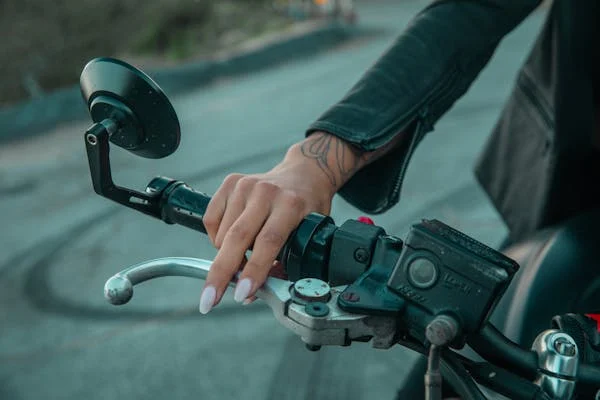
Mastering Motorcycle Braking Techniques: Tips for Stopping with Confidence (and Avoiding Accidents)
As an experienced motorcyclist and enthusiast, I understand the common concerns new riders face when it comes to mastering braking techniques. The fear of coming into corners too hard and running out of road, or having to avoid the blind man driving a car.
In this comprehensive guide, you will learn the knowledge and techniques to transform braking from a nerve-wracking experience into a smooth, controlled maneuver. Let’s dive in and explore the physics behind braking, the essential equipment involved, and most importantly, techniques that will make you a more confident and safe rider.
Why Braking is Important
Motorcycle braking techniques are the cornerstone of motorcycle safety amd play a crucial role in accident prevention. Understanding the physics behind how to brake on a motorcycle, including weight transfer and friction, is fundamental to mastering this skill. When you’re riding a motorcycle, you rely on your brakes to bring you to a safe stop in various situations. Whether you’re approaching a red light, navigating through traffic, or encountering unexpected obstacles on the road, your ability for stopping a motorcycles safely and effectively can mean the difference between a close call and a collision.
The Science Behind Stopping
Braking for beginners can be a scarey task, but understanding how to brake on a motorcycle means understanding some basic science. Braking relies on the principle of friction. When you squeeze the brake levers, calipers clamp down on discs (front) or a drum (rear), creating friction that slows down the wheels. Here’s the breakdown:
- Weight Transfer: As you apply the brakes, your weight shifts forward, putting more pressure on the front tire and increasing its grip. This is why the front brake is more powerful than the rear.
- Friction: The friction between the brake pads/shoes and the discs/drum slows down the wheel rotation. This, in turn, slows down the motorcycle.
- Stopping Distance: The distance it takes for your motorcycle to come to a complete stop depends on several factors like speed, road surface, tire condition, and braking technique.
Essential Braking Equipment
Now, let’s get familiar with the key players in your motorcycle’s braking system:
- Front Brake Lever: Located on the right handlebar, this controls the front brakes, responsible for most of your stopping power.
- Rear Brake Pedal: Located on the right foot peg, this controls the rear brake, offering additional stopping power and stability.
- Anti-lock Braking System (ABS): If your motorcycle has ABS, it prevents wheel lockup during hard braking, giving you more control and preventing skids.
Maintaining Your Brakes
Regularly checking your brake fluid levels and pad wear is crucial. Low fluid levels can reduce braking effectiveness, while worn-out pads can compromise stopping power. Refer to your owner’s manual for specific maintenance intervals.
Body Positioning & Control
Before mastering the mechanics of braking, let’s focus on your body position. Here’s how to set yourself up for effective braking:
- Upright Posture: Sit tall with your back straight and shoulders relaxed.Proper body positioning is essential for maximizing braking effectiveness. Maintaining an upright posture and distributing your weight evenly can help you maintain control and stability during braking maneuvers.
- Relaxed Grip: Don’t death grip the handlebars!Keep your arms relaxed and your grip firm but not too tight on the handlebars. This allows you to maintain control of the bike while applying the necessary braking force.
- Weight Distribution: Keep your weight centered over the motorcycle. When you apply the brakes, you want to ensure that your body weight is distributed evenly over the bike. This helps to stabilize the motorcycle and prevents it from tipping over during sudden stops.
Mastering Braking Techniques
- Gradual Braking: Gradually applying brakes allows for smoother deceleration, particularly beneficial for new riders who may be prone to panic braking. Practice applying the brakes gently and progressively to get a feel for how your motorcycle responds. Start by squeezing the brake lever or pressing the brake pedal lightly and gradually increase pressure as needed.
- Front vs. Rear Brake: While both brakes are important, the front brake provides the majority of stopping power and should make up about 70% of your braking depending on weather conditions. Learning to use it effectively is essential for safe braking. Remember to apply both brakes together for maximum stopping power, but rely primarily on the front brake for quick stops. The front brake is more effective than the rear brake at slowing down the motorcycle, especially in emergency situations. However, it’s essential to use both brakes in conjunction with each other to achieve optimal braking performance.
- Engine Braking: Engine braking can assist with slowing down, especially when approaching a stop. Understanding how to use this technique can enhance your braking capabilities. Engine braking involves downshifting to a lower gear and letting the engine slow down the motorcycle instead of relying solely on the brakes. This can be particularly useful when riding downhill or in slippery conditions where applying the brakes too aggressively could cause the wheels to lock up.
- Emergency Braking: In emergency situations, knowing how to perform emergency braking can mean the difference between a close call and a collision. Remember to apply firm pressure to the front brake while maintaining a straight line. Avoid locking up the wheels by modulating the brake pressure and keeping the motorcycle balanced. Practice emergency braking in a controlled environment to build confidence and muscle memory for when you need it most.
- Cornering and Braking: Braking should ideally be done before entering a corner to avoid unsettling the bike mid-turn. However, if you find yourself needing to brake while cornering, it’s essential to do so smoothly and progressively to maintain control. Avoid grabbing the brakes or making sudden movements that could cause the motorcycle to lose traction and slide out from under you. Practice braking while cornering at low speeds to get a feel for how your motorcycle responds and build confidence in your abilities.
Cornering and Braking
A common mistake is braking while turning a corner. This can lead to loss of control. Here’s the golden rule: brake before entering a corner, not while turning. Slow down to a safe speed before leaning into the corner, then focus on maintaining a smooth throttle and body position throughout the turn.Trouble is we all find ourselves going too fast at some stage. Avoiding motorcycle accidents is what this is about so learn from this…..
Cornering and Braking: Mastering the Art of Smooth Transitions
While the golden rule is to brake before entering a corner, there are situations where you might need to apply a touch of brake even while leaned into a turn. The key is understanding the proper technique and applying minimal, controlled braking to avoid compromising your balance and grip. Here’s how to navigate this scenario safely:
- Trail Braking: This advanced technique involves applying the front brake progressively while still leaned into the corner. The key is to gradually release brake pressure as you transition from braking to a steady throttle throughout the corner. This maintains weight transfer on the front tire, maximizing grip and stability while allowing you to tighten your line (turning radius) slightly.
Here’s a breakdown of the steps for trail braking
- Approach the corner at a safe speed: This is crucial. You shouldn’t rely on braking to adjust your speed significantly mid-corner.
- Brake and downshift (if applicable) before entering the corner: Apply the front brake smoothly and progressively to slow down before you start leaning. If riding a geared motorcycle, downshift smoothly to match your engine speed to the corner’s exit speed.
- Initiate your lean and apply minimal trail braking: As you start turning the handlebars and leaning the motorcycle, gently squeeze the front brake lever. This maintains some weight transfer on the front wheel for better grip while turning.
- Focus on a smooth throttle roll-on: As you continue through the corner, gradually release pressure on the front brake lever and progressively open the throttle. This smooth transition ensures the motorcycle remains balanced and allows you to accelerate out of the corner smoothly.
Important points to remember
- Trail braking is an advanced technique. Practice it at slow speeds in a safe environment before attempting it on the road.
- Use minimal brake pressure. A light touch is key to maintaining control. Overuse of the brakes mid-corner can lead to wheel lockup and a loss of traction.
- Focus on smooth throttle control. A jerky throttle application can upset the motorcycle’s balance.
- Don’t trail brake in slippery conditions. Reduced grip levels make this technique much riskier.
- Mastering trail braking is one of the motorcycle braking techniques that takes time and practice. Start by focusing on smooth braking before entering corners and gradually introduce minimal trail braking as you gain confidence. Remember, prioritize a safe speed and smooth transitions for a controlled and enjoyable cornering experience.
- Wear the right safety gear. A helmet, jacket , pants, boots and gloves are all recommended not just when you are learning how to brake on a motorcycles but every time you ride. Learn more about that here.
Tips for Practice
Mastering motorcycle braking techniques takes time and practice. Here are some tips to help you hone your skills:
- Braking for beginners: Find a safe space, Locate a large, empty parking lot or open area free of traffic.
- Start Slow: Begin practicing at low speeds, gradually increasing your speed as you gain confidence helps greatly with stopping a motorcycle safely.
- Practice Different Conditions: Once comfortable on dry pavement, try practicing these motorcycle braking techniques on wet surfaces (in a controlled environment) to understand how braking distance changes.
- Take a Motorcycle Safety Course: A safety course offers professional instruction on how to brake on a motorcycle and gives a safe environment to practice advanced braking techniques, including emergency braking.
By following these tips and dedicating time to practice, you can improve your braking skills and ride with confidence on any road or terrain. Remember that mastering braking is a continuous process, so don’t hesitate to seek further instruction or practice opportunities to enhance your abilities. Safe riding!
Share the Knowledge: Share this post with other new riders to help them conquer their fear of braking!

Free Reports and more.........
- From Track Days to MotoGP: The Exciting World of Motorcycle Racing
- The Future of Two Wheels? Exploring the Rise of Electric Motorcycles
- Finding Your Perfect Ride: A Guide to Buying a Used Motorcycle
- Pushing the Limits: The Dangers and Risks of the Isle of Man TT
- The Ultimate Challenge: Conquering the Isle of Man TT
- More Than Just a Race: The Unforgettable Isle of Man TT Fan Experience
- Planning Your Dream Motorcycle Touring Trip
- Inside the Paddock: A Look at the Teams and Riders of the Isle of Man TT
- Motorcycle Windproof Face Mask: Protect Your Face in Style
- Warm Motorcycle Base Layers for Riders Year-Round Comfort
- Insulated Motorcycle Boots for Riding in Cold Weather
- Winter Motorcycle Pants – Stay Warm and Protected
- Heated Motorcycle Clothing: Stay Warm on the Road
- Best Snowmobile Suits for Sale | Top Brands & Styles
- Motorcycle Gear for Cold Weather – Stay Warm and Safe
- Cold Weather Motorcycle Jacket – Stay Warm on the Road
- Cozy & Protective Thermal Motorcycle Gear for All Seasons
- Winter Motorcycle Riding Gear | Top Choices for Cold Weather
- Best Heated Motorcycle Gloves: Stay Warm on the Road
- From Biker Gangs to Bad Boys: Iconic Motorcycles in Film and Television
Free Reports and more.........
- From Track Days to MotoGP: The Exciting World of Motorcycle Racing
- The Future of Two Wheels? Exploring the Rise of Electric Motorcycles
- Finding Your Perfect Ride: A Guide to Buying a Used Motorcycle
- Pushing the Limits: The Dangers and Risks of the Isle of Man TT
- The Ultimate Challenge: Conquering the Isle of Man TT
- More Than Just a Race: The Unforgettable Isle of Man TT Fan Experience
- Planning Your Dream Motorcycle Touring Trip
- Inside the Paddock: A Look at the Teams and Riders of the Isle of Man TT
- Motorcycle Windproof Face Mask: Protect Your Face in Style
- Warm Motorcycle Base Layers for Riders Year-Round Comfort
- Insulated Motorcycle Boots for Riding in Cold Weather
- Winter Motorcycle Pants – Stay Warm and Protected
- Heated Motorcycle Clothing: Stay Warm on the Road
- Best Snowmobile Suits for Sale | Top Brands & Styles
- Motorcycle Gear for Cold Weather – Stay Warm and Safe
- Cold Weather Motorcycle Jacket – Stay Warm on the Road
- Cozy & Protective Thermal Motorcycle Gear for All Seasons
- Winter Motorcycle Riding Gear | Top Choices for Cold Weather
- Best Heated Motorcycle Gloves: Stay Warm on the Road
- From Biker Gangs to Bad Boys: Iconic Motorcycles in Film and Television
Leave a Reply